Makkah – Corporate Communication
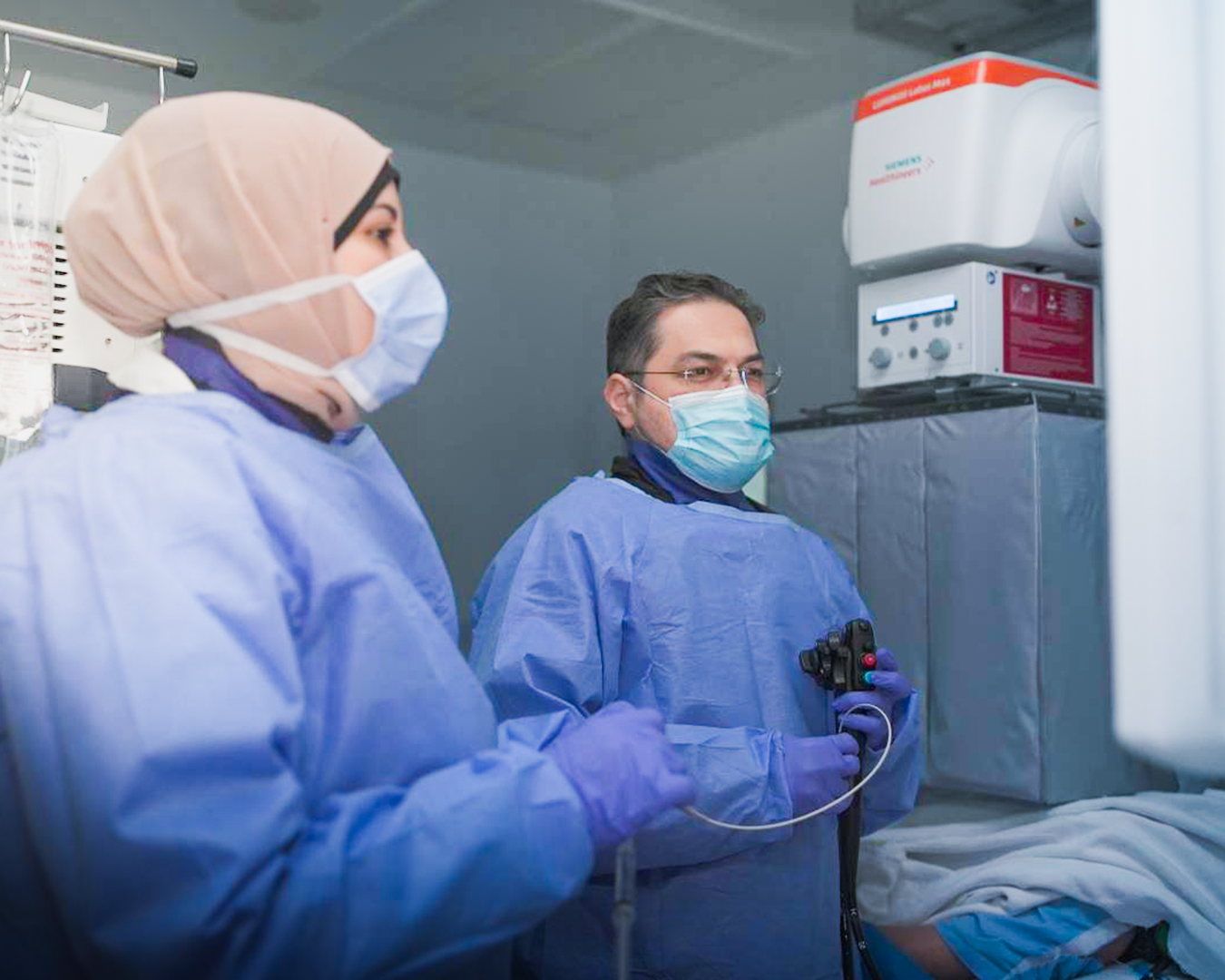
As part of the Urgent Care Model, one of the healthcare models under the Saudi healthcare system, the Advanced Endoscopy Center at King Abdullah Medical City — a member of Makkah Health Cluster — successfully provided rapid and precise treatment for 13 pilgrims of various nationalities who were admitted as urgent and highly specialized cases suffering from complex medical conditions. These included gastrointestinal bleeding, gallstones and bile duct obstructions, in addition to advanced gastrointestinal obstructions, as part of the specialized healthcare services provided to the Guests of the most merciful during the Hajj season.
The medical city explained that the cases included five Turkish pilgrims, four Indonesian pilgrims, two Afghan pilgrims, in addition to one Syrian pilgrim and one Jordanian pilgrim. The cases required urgent intervention by specialized medical teams using the latest advanced therapeutic endoscopy technologies, which contributed to stabilizing the patients' vital signs and protecting them from serious life-threatening complications.
It added that the medical team relied on a range of highly specialized techniques to treat gallstones and bile duct obstructions, including Endoscopic Retrograde Cholangiopancreatography (ERCP), the use of the SpyGlass cholangioscopy system with laser lithotripsy technologies, as well as image-guided diagnostic tissue sampling. The procedures also included the placement of temporary plastic stents and permanent metal stents according to the clinical needs of each case.
The medical city further noted that gastrointestinal bleeding cases were managed through an advanced therapeutic system that included medication injection therapy to reduce bleeding, thermal coagulation techniques, and mechanical clips, in addition to the use of advanced OVESCO clips and Hemospray hemostatic powder. These interventions enhanced rapid and effective bleeding control while reducing the likelihood of open surgical procedures.
In the treatment of gastrointestinal obstructions, the medical team utilized advanced techniques including self-expanding metal stents, which helped restore vital gastrointestinal functions and improve treatment outcomes for critically ill patients.
The medical city affirmed that these successful interventions reflect the high level of operational readiness and advanced specialized expertise available in the field of therapeutic endoscopy, as well as its role in delivering high-quality healthcare services to the Guests of the most merciful, in alignment with the goals of the Health Sector Transformation Program and Saudi Vision 2030.