Makkah – Corporate Communication
King Abdullah Medical City (KAMC), a member of the Makkah Health Cluster, has successfully saved the life of a patient in his 30s who was suffering from severe heart failure caused by complex congenital abnormalities of the aorta and aortic valve. The patient underwent a two-stage hybrid treatment approach combining catheter-based intervention and open-heart surgery, marking a significant achievement in the management of adult congenital heart disease at the Heart Health Center.
The patient had suffered since birth from a complete congenital obstruction of the aorta (CoA), accompanied by severe aortic valve dilation and regurgitation (AR). These conditions resulted in progressive deterioration of cardiac function, with the heart's ejection fraction dropping to approximately 10%. Consequently, the patient experienced severe shortness of breath and an inability to tolerate physical exertion, prompting him to seek specialized medical care at KAMC.
Following comprehensive examinations and multimodality cardiac imaging, the cardiac imaging team accurately diagnosed the condition, identifying the congenital abnormalities and assessing their impact on cardiac function and the aorta. The case was subsequently reviewed by a multidisciplinary medical team to evaluate treatment options, given the substantial risks and complexity associated with conventional surgery. These risks were particularly significant due to the severely impaired heart function and the need for extensive surgical intervention involving both the aorta and the aortic valve.
After a thorough assessment, the medical team adopted a two-stage hybrid treatment strategy combining catheter-based intervention and open-heart surgery. The approach was designed to reduce the surgical burden and minimize potential complications, including bleeding and spinal cord ischemia.
During the first stage, the cardiac catheterization team successfully relieved the aortic obstruction and implanted an endovascular stent using Thoracic Endovascular Aortic Repair (TEVAR), with the aim of restoring blood flow through the aorta.
Two weeks later, the second stage was successfully performed by the cardiac surgery team, which replaced the damaged aortic valve with a mechanical prosthetic valve through open-heart surgery (Aortic Valve Replacement – AVR). The procedure was completed without reported complications, and the patient subsequently recovered successfully.
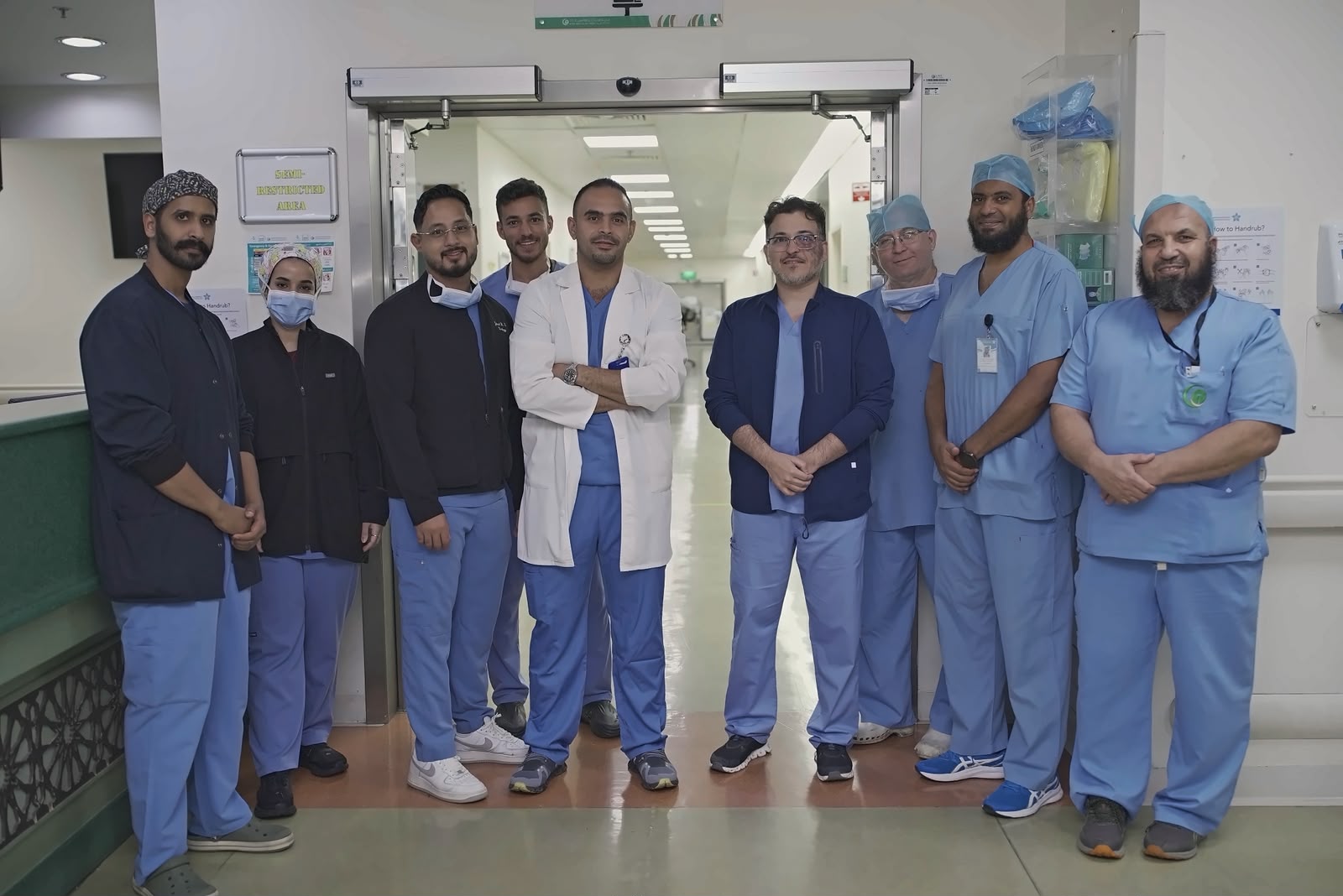
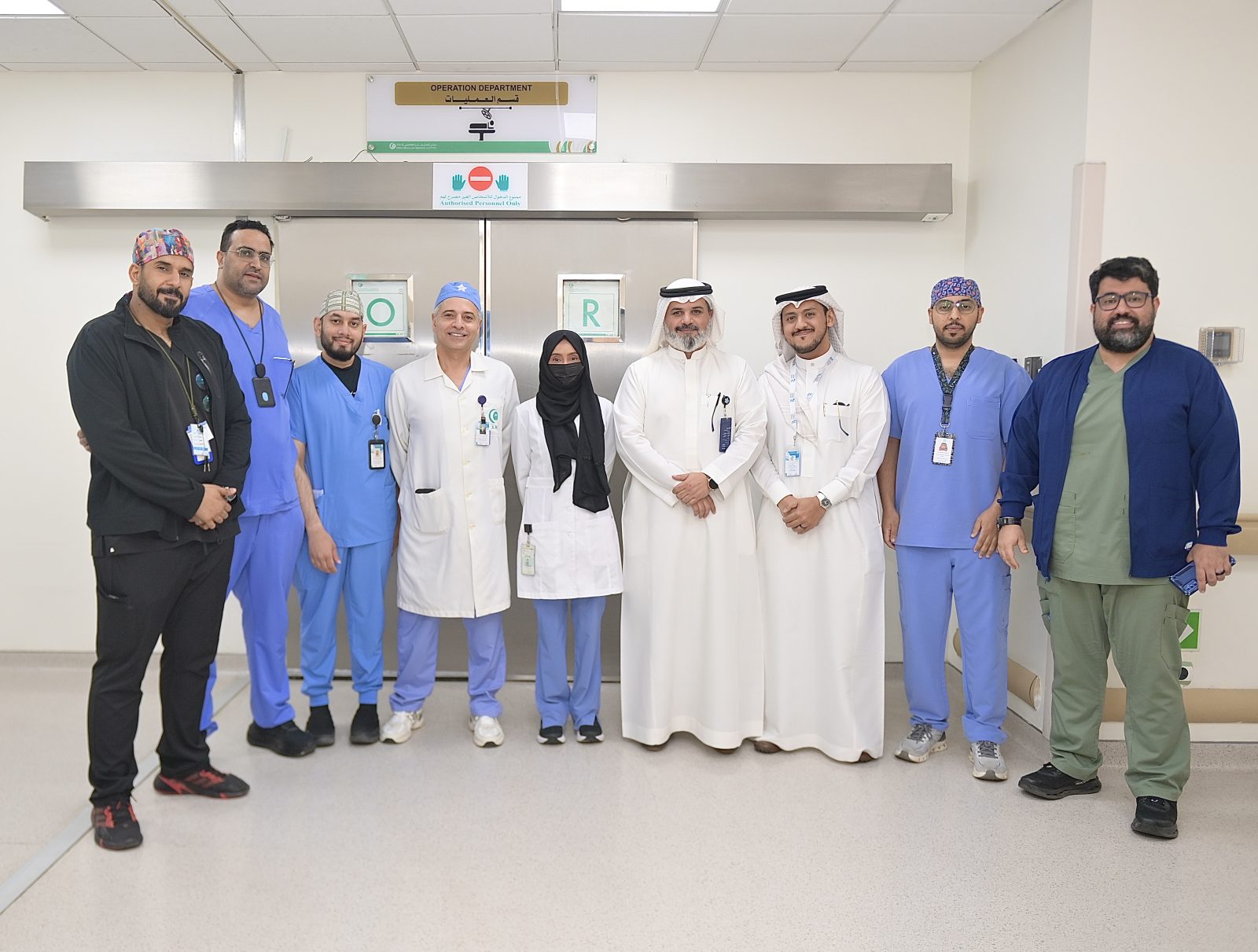
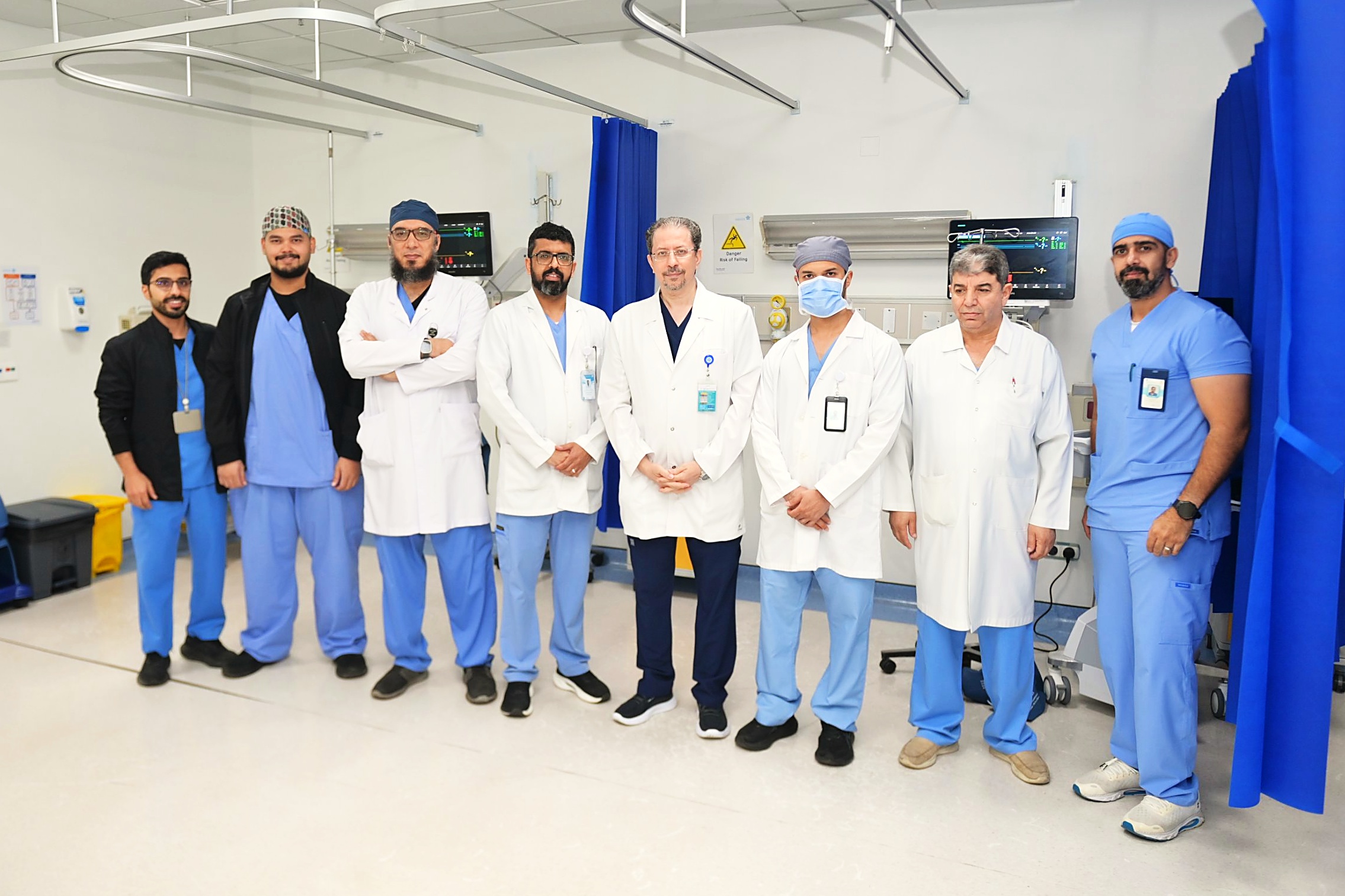
This achievement highlights the importance of multidisciplinary collaboration among adult congenital heart disease specialists, cardiac imaging specialists, interventional cardiologists, and cardiac surgeons in managing complex, high-risk cases. It also demonstrates the value of advanced, individualized treatment strategies tailored to each patient's clinical condition while minimizing potential risks.
The successful outcome exemplifies the advanced specialized care provided by the Heart Health Center at King Abdullah Medical City. It reflects the integration of clinical expertise and advanced diagnostic and therapeutic capabilities in managing complex cardiovascular conditions, contributing to improved healthcare quality and supporting the objectives of Saudi Arabia's Health Sector Transformation Program and Vision 2030