Makkah – Corporate Communications
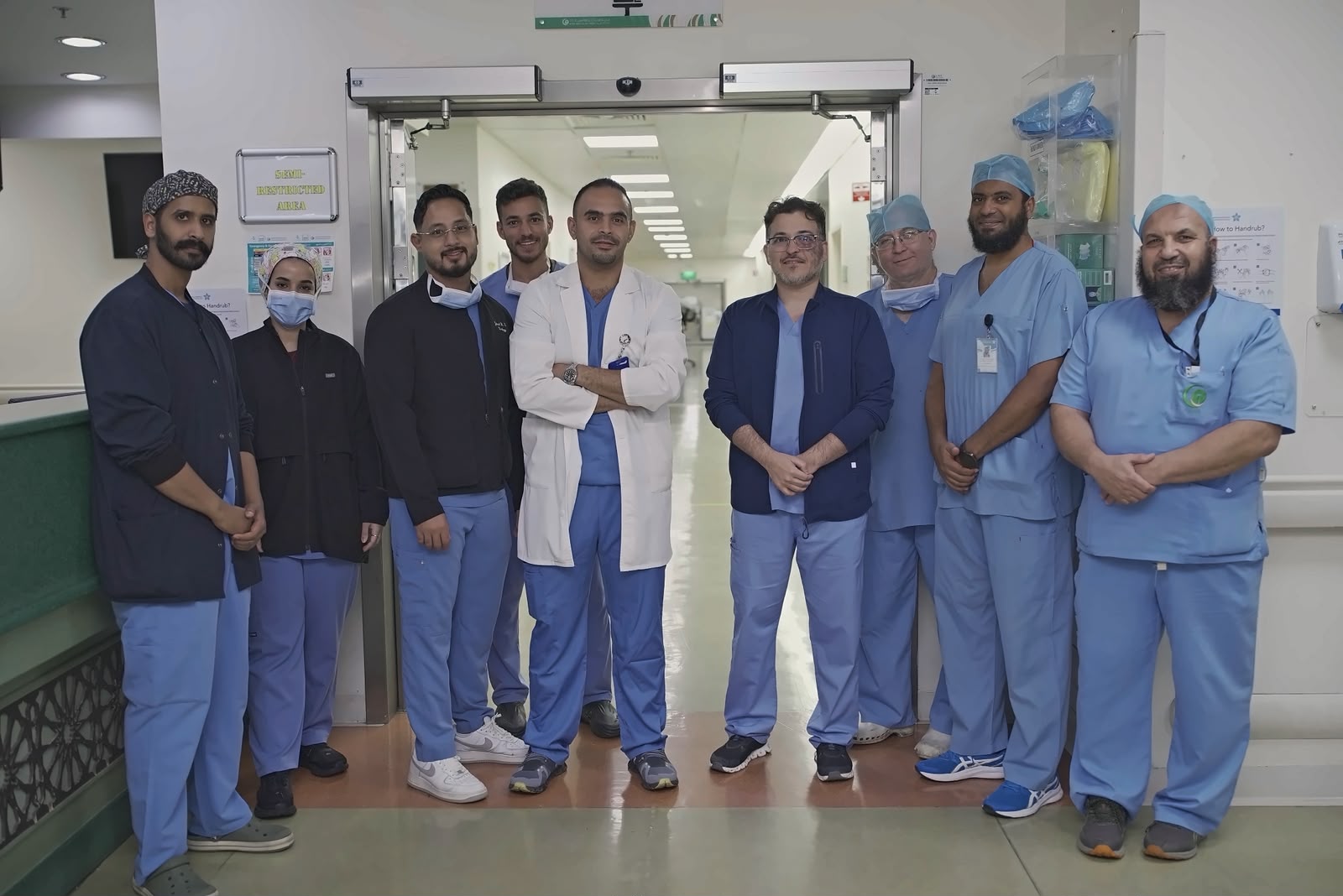
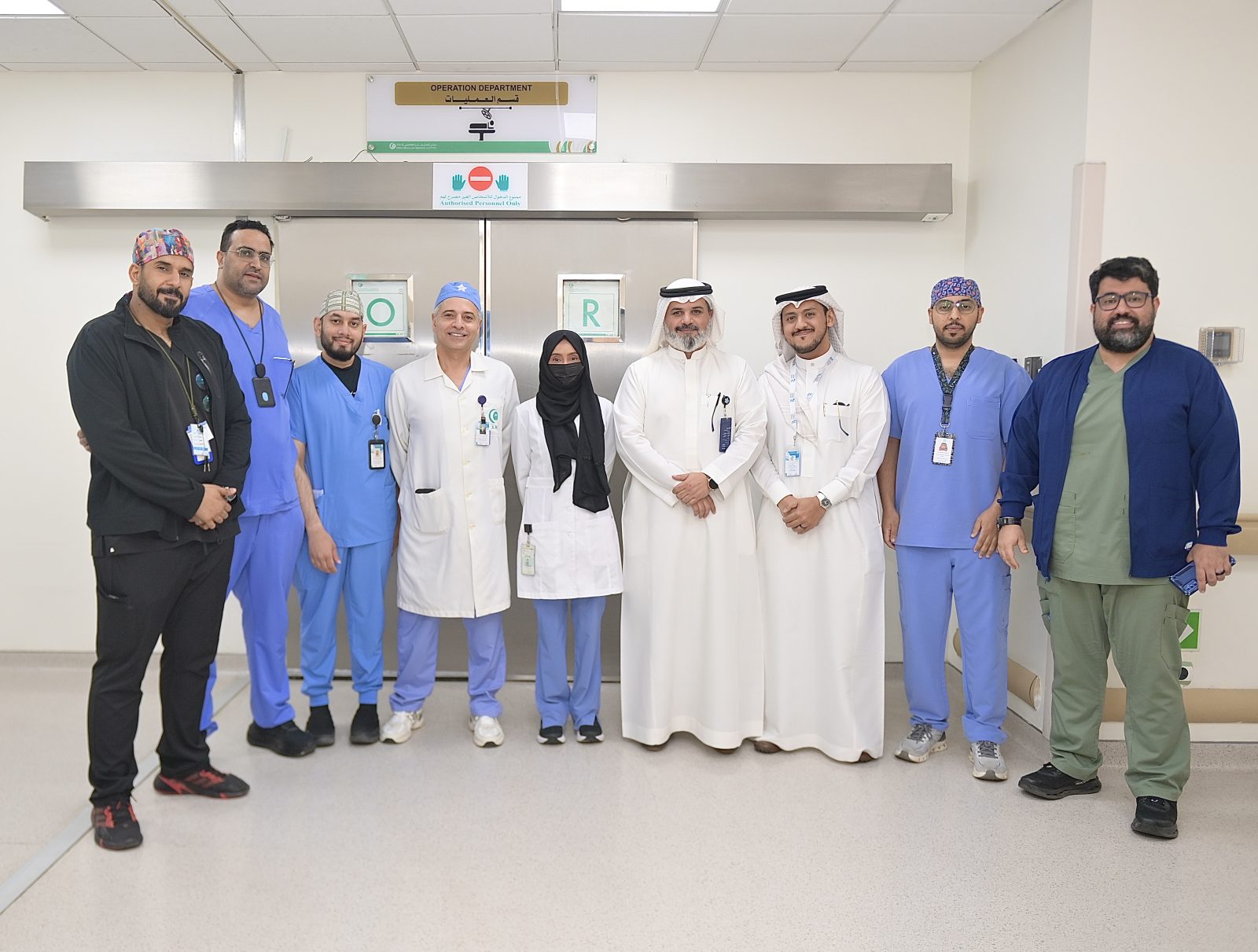
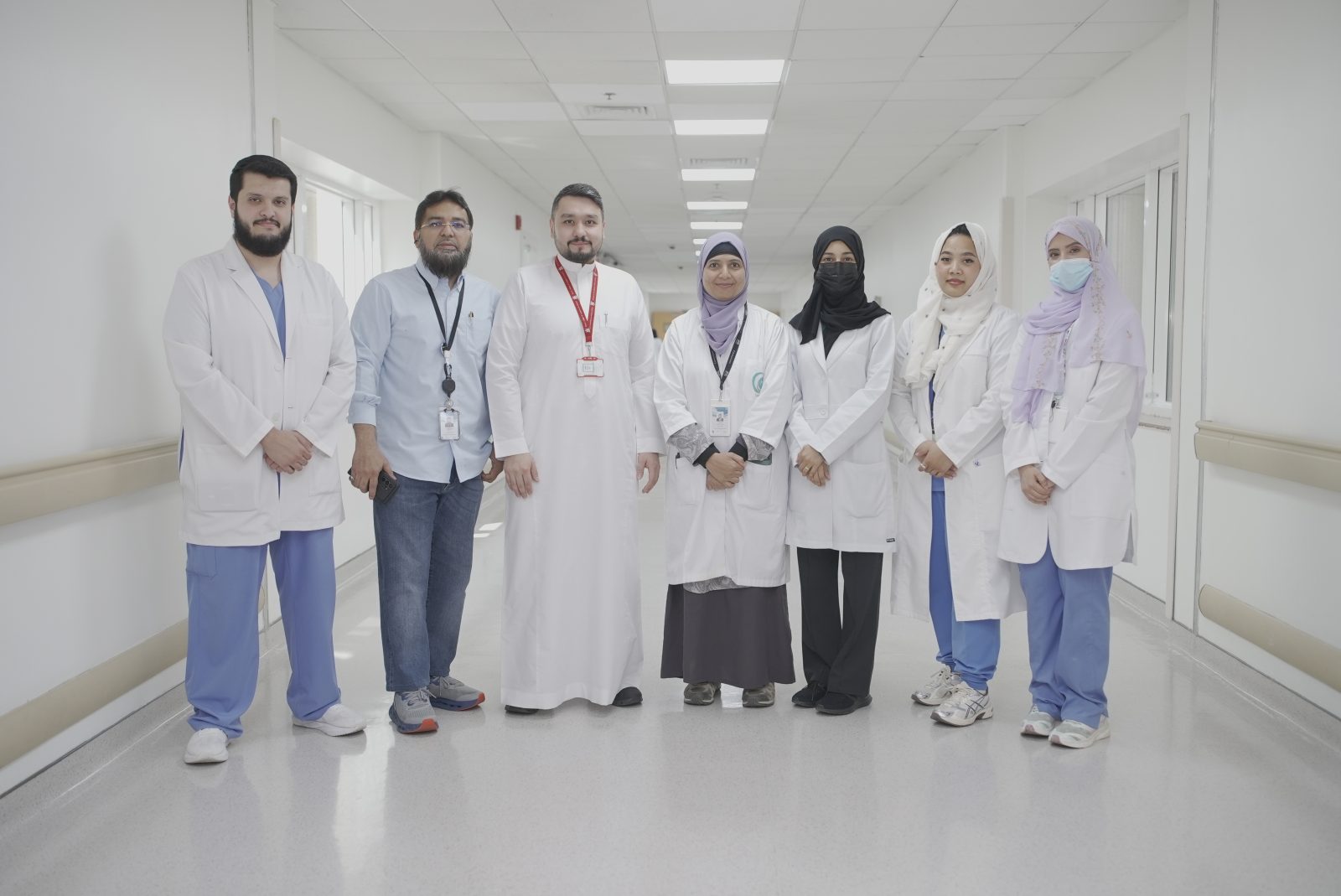
Preventive care protocols—one of the key systems within the Saudi model of care —have enabled a medical team at the Nephrology Department of King Abdullah Medical City, a member of the Makkah Health Cluster, to discover a new genetic mutation in a 32-year-old kidney patient and two of his siblings.
The medical city explained that the patient had been referred for a kidney biopsy. Although the cause of kidney disease was initially unclear—even after the biopsy—subsequent evaluations led to the identification of a new genetic mutation (IQCB1 NM_001023570.4), which was also found in two of his affected brothers.
The discovery of new genes and genetic mutations significantly contributes to understanding hereditary disease mechanisms. In this case, the diagnosed condition is Nephronophthisis.
The medical city noted that this genetic finding allowed the medical team to reach a definitive diagnosis after a period of uncertainty, determine the disease's course and prognosis more accurately, identify potential kidney donors within the family, and provide genetic counseling to the patients and their relatives—particularly regarding consanguineous marriage—to reduce the likelihood of passing the disease to future generations.
This discovery marks an important step not only in the care of these three patients but also in guiding all family members toward more informed and preventive health decisions.