Makkah – Corporate Communications
As part of the urgent care model within the Saudi Healthcare System, King Abdullah Medical City in the Holy Capital—member of the Makkah Health Cluster—has achieved a groundbreaking national milestone by performing the first intraoperative electron radiotherapy (IOERT) procedure in the Kingdom to treat a recurrent high-grade brain tumor.
This achievement reflects Saudi Arabia’s leadership in advanced and precise neuro-oncological treatments.
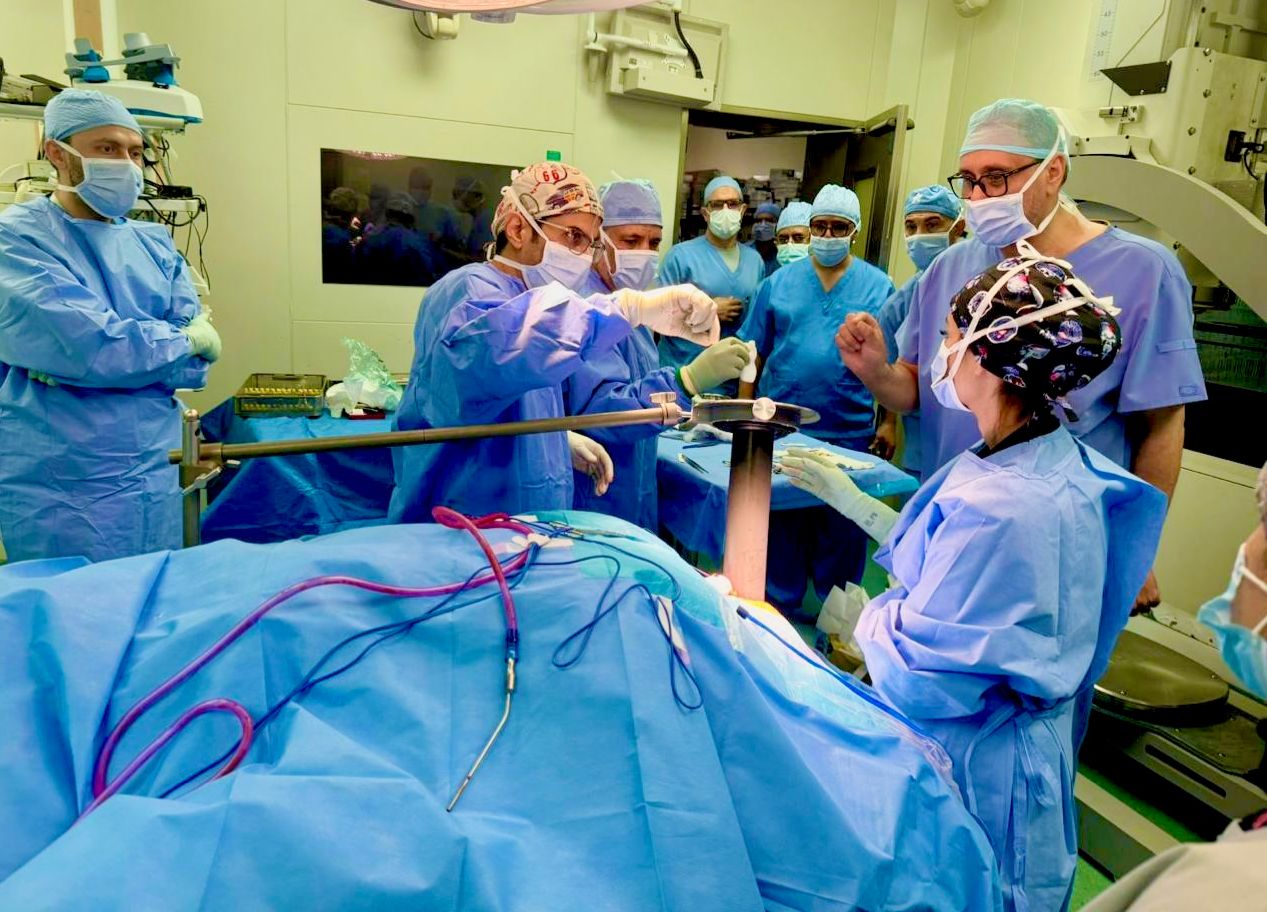
The medical city explained that the 66-year-old patient was admitted with decreased consciousness and left-side paralysis. After comprehensive examinations and radiological imaging, he was diagnosed with a recurrent high-grade glioma, which required urgent surgical intervention to remove the tumor, followed by direct intraoperative electron radiotherapy in the operating room to precisely target any remaining tumor cells and minimize the risk of recurrence.
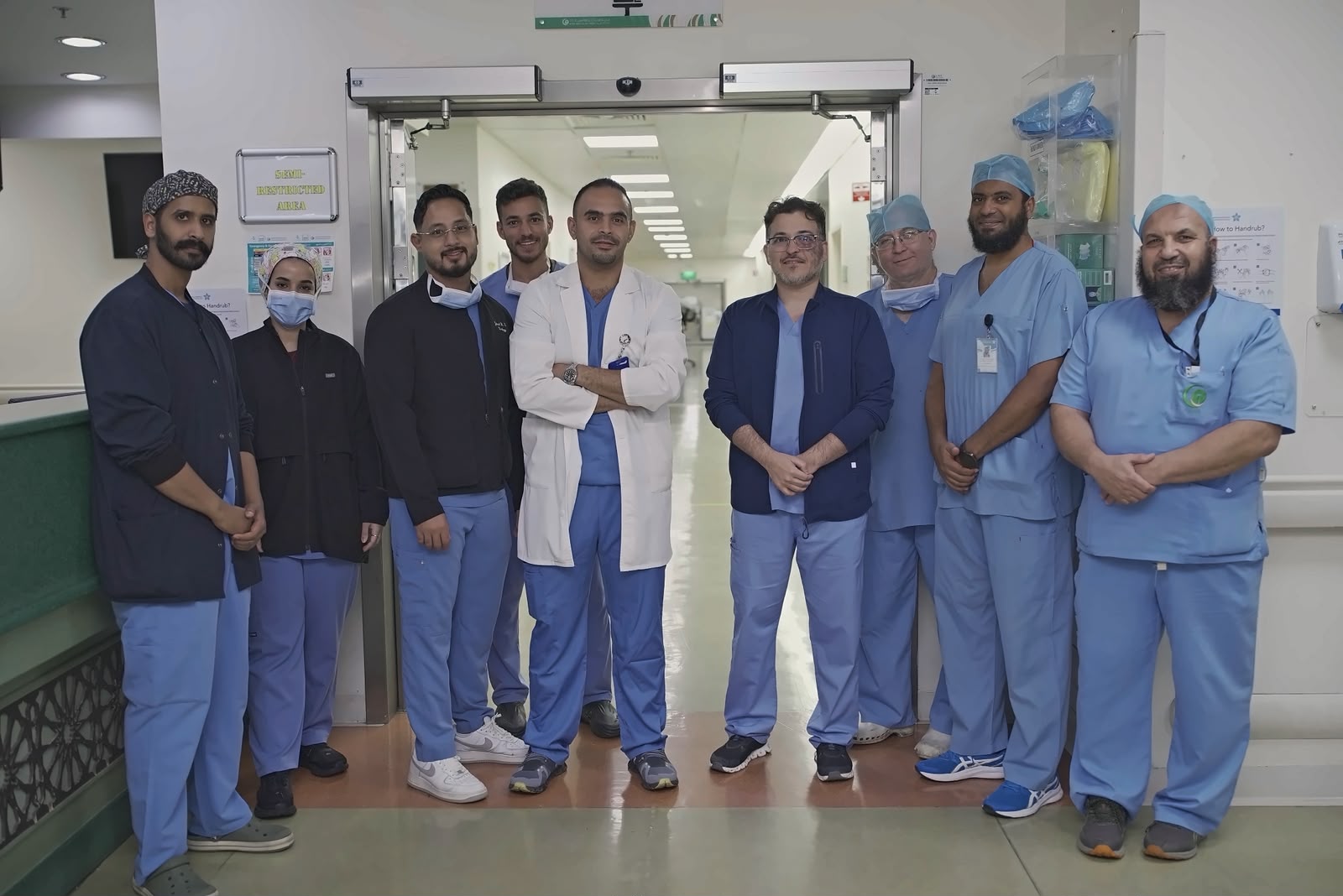
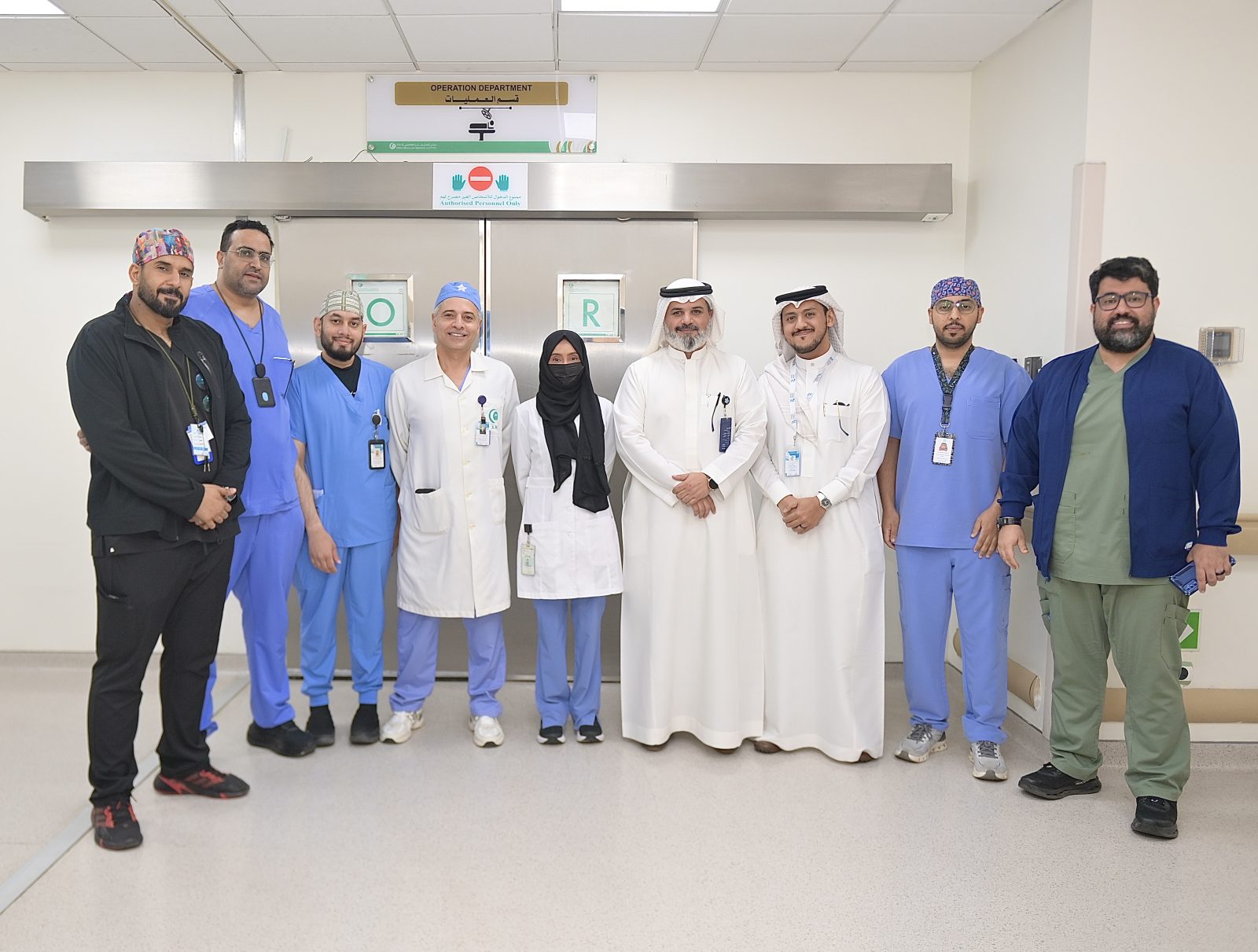
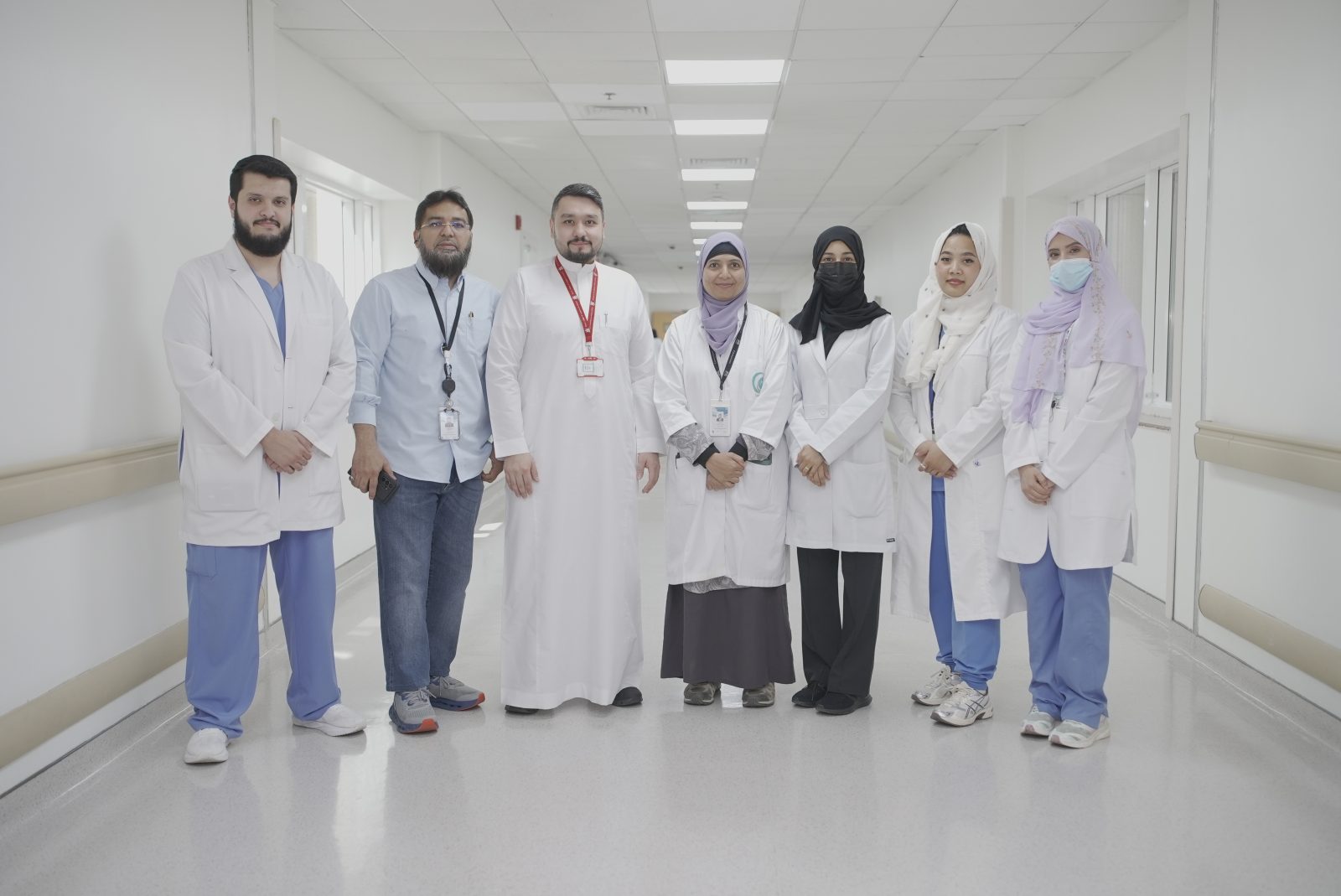
The procedure was carried out under the supervision of a specialized surgical team led by Dr. Khalid Mohammed Al-Orabi, Consultant Neurosurgeon, in collaboration with the radiation oncology team led by Dr. Mohammed Al-Maghrabi, and supported by teams in medical physics, anesthesia, and specialized nursing.
The intervention was conducted in compliance with the highest standards of safety and quality in a state-of-the-art operating suite.
The medical city noted that the patient showed remarkable improvement after the procedure, gradually regaining consciousness and mobility, and was discharged one week later walking normally with no reported complications.
King Abdullah Medical City emphasized that this accomplishment aligns with its strategic objective to advance highly specialized services, enhance centers of excellence, and empower national expertise to apply the latest therapeutic technologies—strengthening its position as a leading reference center for advanced neurological and therapeutic innovations.
This significant achievement continues the city’s commitment to the goals of the Health Transformation Program and Saudi Vision 2030, which aim to improve quality of life, foster medical innovation, and localize advanced therapeutic technologies—placing human well-being first.