Achieved remarkable results in improving patient safety and quality of care
Makkah – Corporate Communication
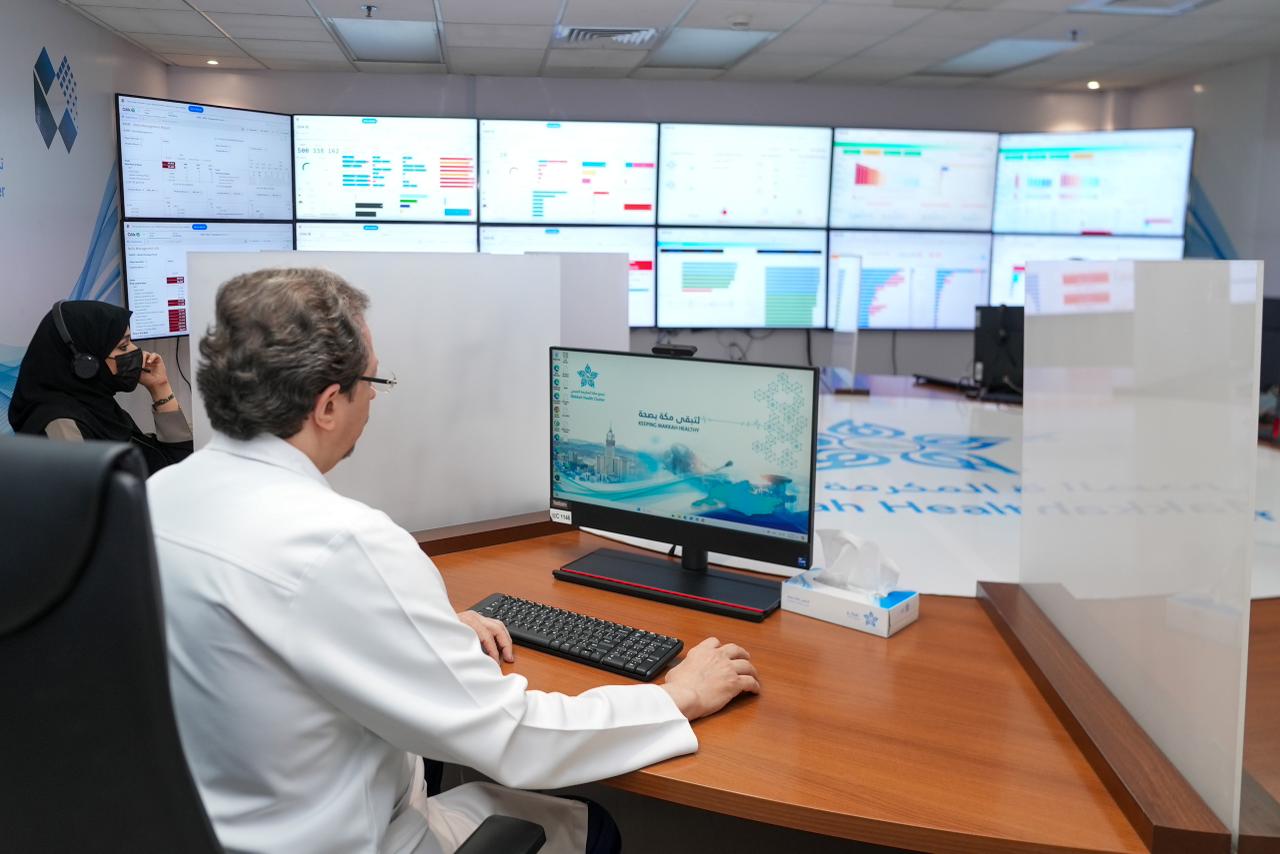
The use of smart watch technology at King Abdullah Medical City in Makkah, a member of the Makkah Health Cluster, in integration with Makkah Virtual Hospital – a branch of the Saudi Virtual Hospital – has contributed to improving patient safety and quality of care. Over a three-month period, 40 cardiac patients were monitored through a remote health monitoring program, which supported early detection of cardiac conditions by transmitting continuous heart rate and rhythm readings to the monitoring team.
The smart watch also helped increase patients’ adherence to home follow-up, reduce the need for hospital visits, and shift healthcare monitoring from a traditional model to a proactive, data-driven approach.
The Medical City explained that this technology enabled the team to detect any abnormal changes in cardiac rhythm, communicate immediately with patients, and make early escalation decisions in coordination with the medical team before the condition progressed or complications occurred. Three months after launching the remote health monitoring program, preliminary data showed clear results reflecting the value of the service and the efficiency of digital medical and nursing integration in improving patient safety and quality of care. Notably, 74% of patients were classified as high-risk, including those with advanced heart failure, a group typically associated with higher hospitalization and complication rates.
It added that the cardiac rhythm disorders detected during continuous monitoring included 15% premature heartbeats, 13% atrial fibrillation, and 3% non-sustained ventricular tachycardia, highlighting the service’s capability for early detection before clinical deterioration and enabling timely transition from monitoring to therapeutic intervention.
The Medical City noted that the service went beyond data collection, contributing to the translation of digital indicators into direct therapeutic decisions through nursing-led clinical interventions in coordination with the medical team. Post-discharge outcomes included 35% virtual visits, 28% emergency visits—most of which were early preventive interventions—10% cardiac readmissions, which remained at a low level, and 8% planned admissions based on well-considered therapeutic decisions.
It emphasized that the results demonstrated how remote health monitoring reduced unobserved clinical deterioration, supported early clinical decision-making, decreased cardiac readmissions, and improved the efficiency of healthcare resource utilization.
It is worth noting that this model reflects King Abdullah Medical City’s direction toward smart, safe, value-based care, aligned with the objectives of the health sector transformation and Saudi Vision 2030, and opens the door to expanding the service to other cardiac patient groups with the same level of clinical and operational efficiency