– Corporate Communications
A rapid intervention under the Saudi healthcare care model helped save the life of a 52-year-old patient who suffered an acute myocardial infarction accompanied by sudden cardiac arrest. A specialized cardiac care team at King Abdullah Medical City, a member of the Makkah Health Cluster, successfully restored the patient’s pulse through cardiopulmonary resuscitation (CPR) and electrical defibrillation.
The medical city explained that the patient was urgently transferred from Al-Noor Specialist Hospital to King Abdullah Medical City last Friday, underscoring the readiness of round-the-clock cardiac catheterization services and the acceptance of all referred cases without delay.
It added that upon arrival, the patient was diagnosed with an acute inferior myocardial infarction and experienced cardiac arrest due to ventricular fibrillation lasting several minutes. The pulse was restored thanks to CPR and electrical shocks. Once initial stabilization was achieved, the emergency cardiac catheterization pathway was immediately activated.
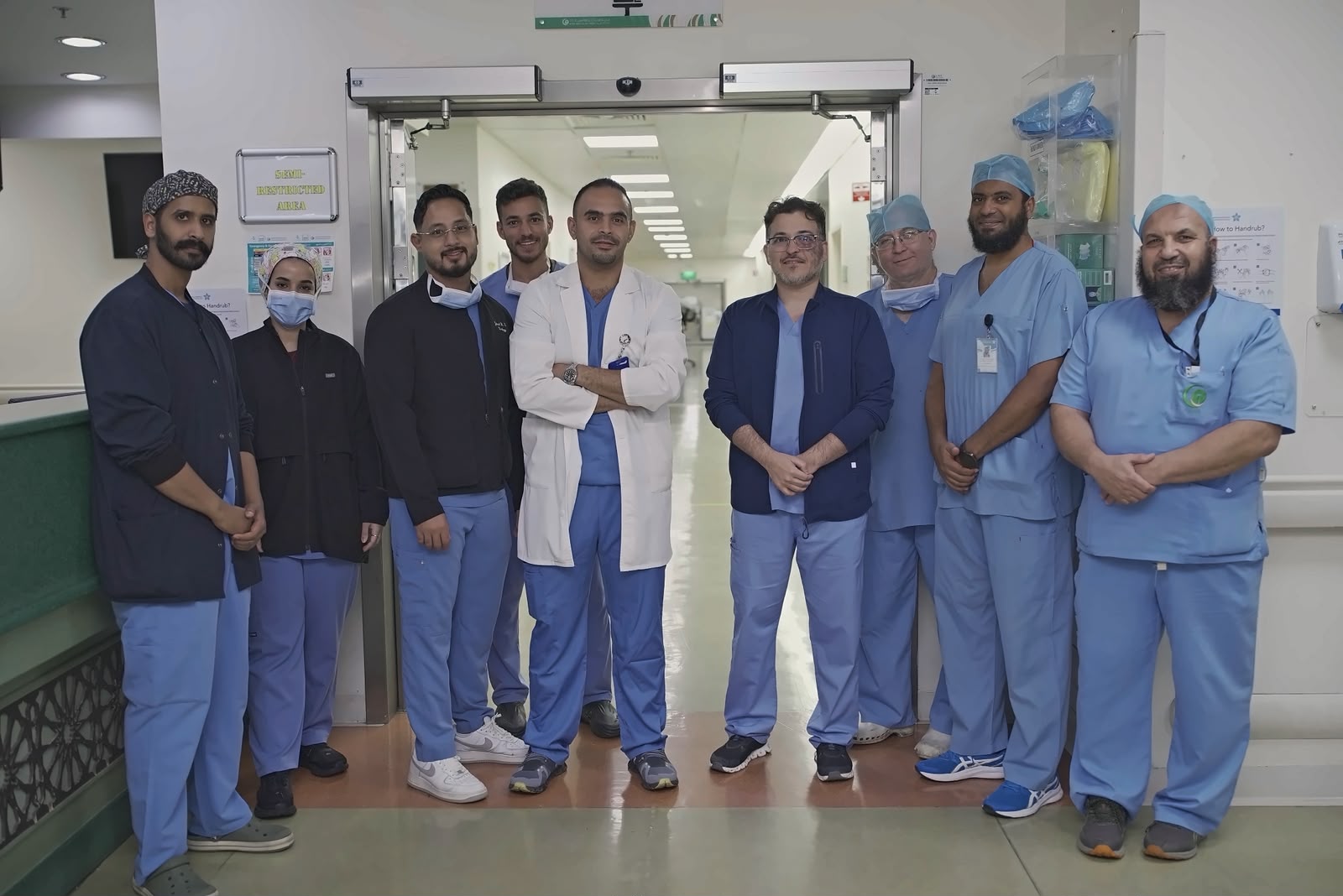
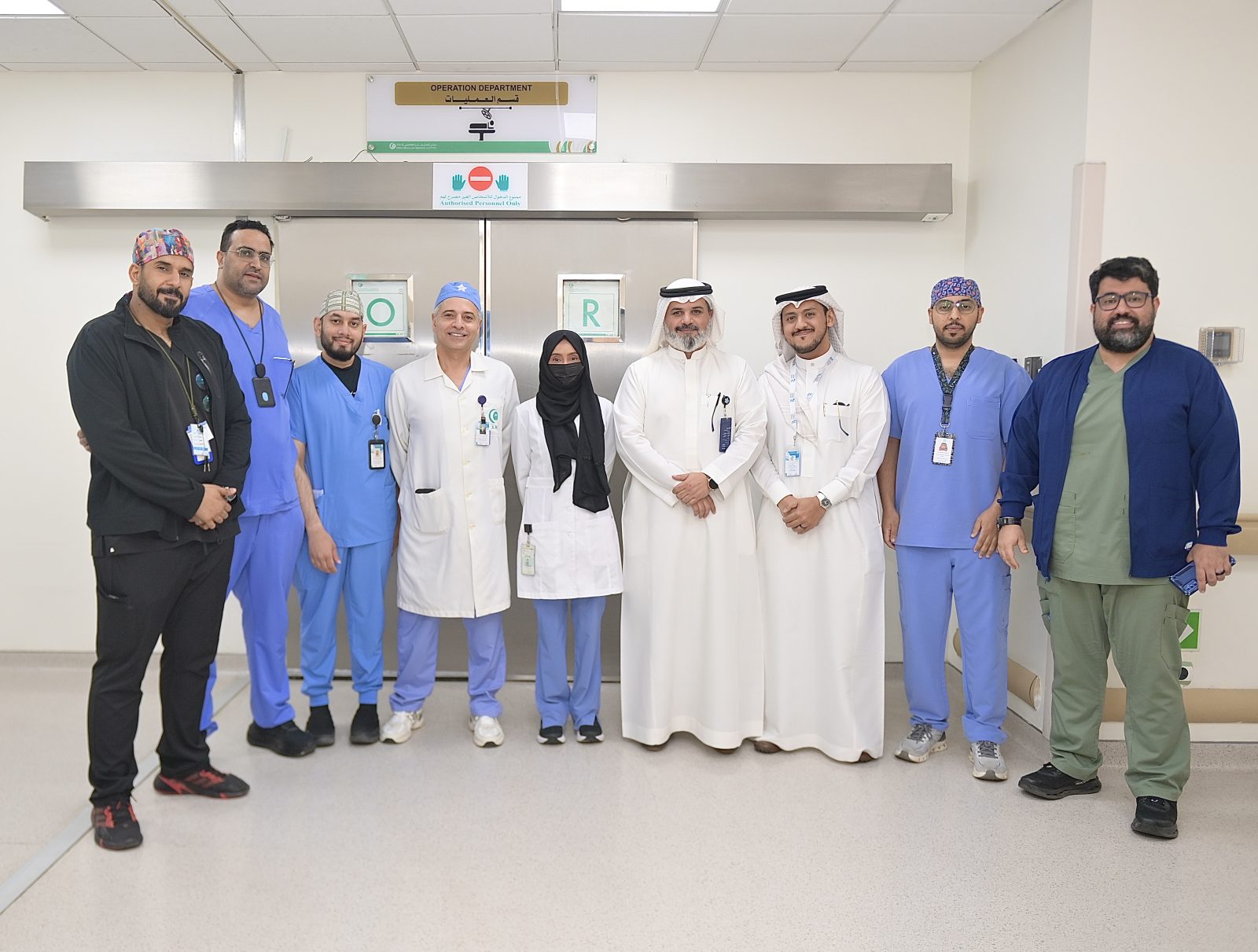
The medical city noted that the cardiac catheterization team—led by Dr. Saleh Mohammed Khoj, Consultant Interventional Cardiologist, and Dr. Kamal Raafat, Specialist Interventional Cardiologist—along with a distinguished team of anesthesiologists, nurses, and technicians, performed a successful primary intervention via the radial artery in the hand. The blocked coronary artery was opened and a drug-eluting stent was implanted, restoring full blood flow to the heart muscle within the recommended therapeutic time window. This contributed to minimizing myocardial damage and improving recovery prospects.
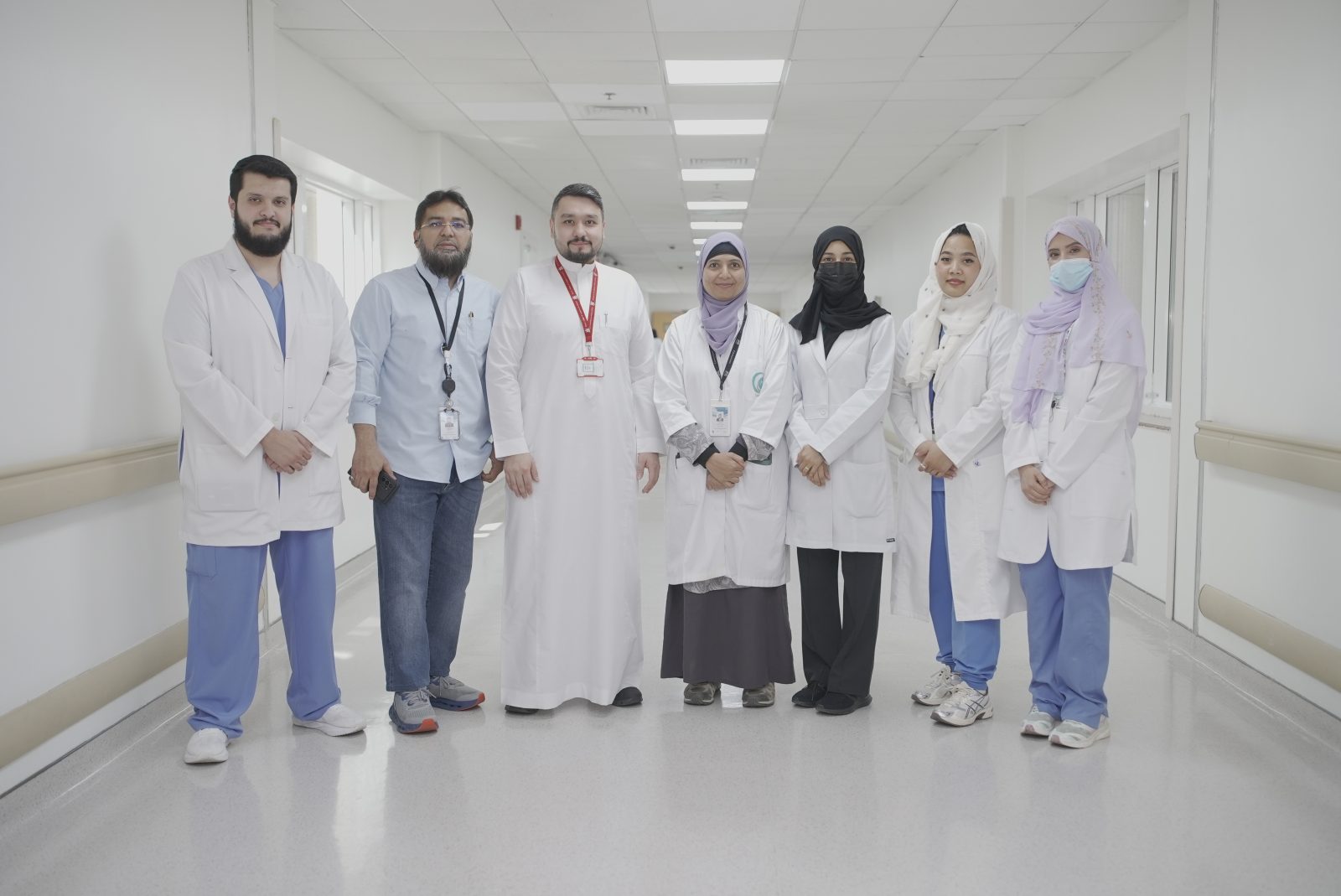
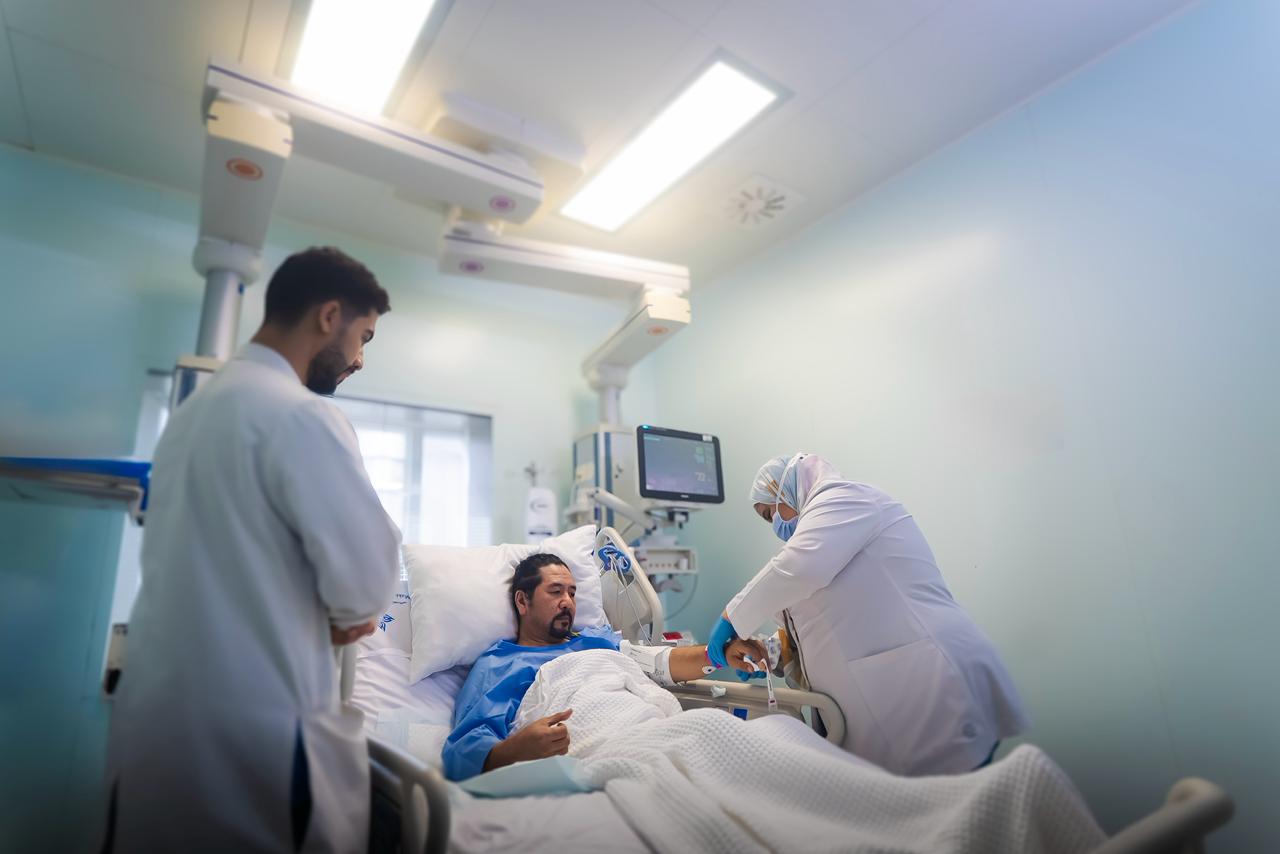
Following the procedure, the patient was transferred to the Cardiac Intensive Care Unit, where the team provided close monitoring, including continuous surveillance of cardiac and respiratory functions. The patient was successfully weaned off mechanical ventilation, blood pressure was stabilized, and early preventive pharmacological therapy was initiated.
The medical city reported that the patient has fully regained consciousness, is breathing normally without support, and reports no chest pain or shortness of breath. His condition is currently stable, with further assessment of cardiac function underway via echocardiography, alongside a planned medication regimen and cardiac rehabilitation following discharge.
It is worth noting that the management of this case highlights the pivotal role of cardiac care in the critical post-catheterization phase, which involves meticulous monitoring, rapid clinical decision-making, complication reduction, and accelerated recovery—within an integrated system linking emergency transfer, the catheterization laboratory, and the cardiac intensive care unit. This reflects the readiness and efficiency of the advanced cardiac care system, in alignment with the objectives of the Health Sector Transformation Program and Saudi Vision 2030