Makkah – Corporate Communications
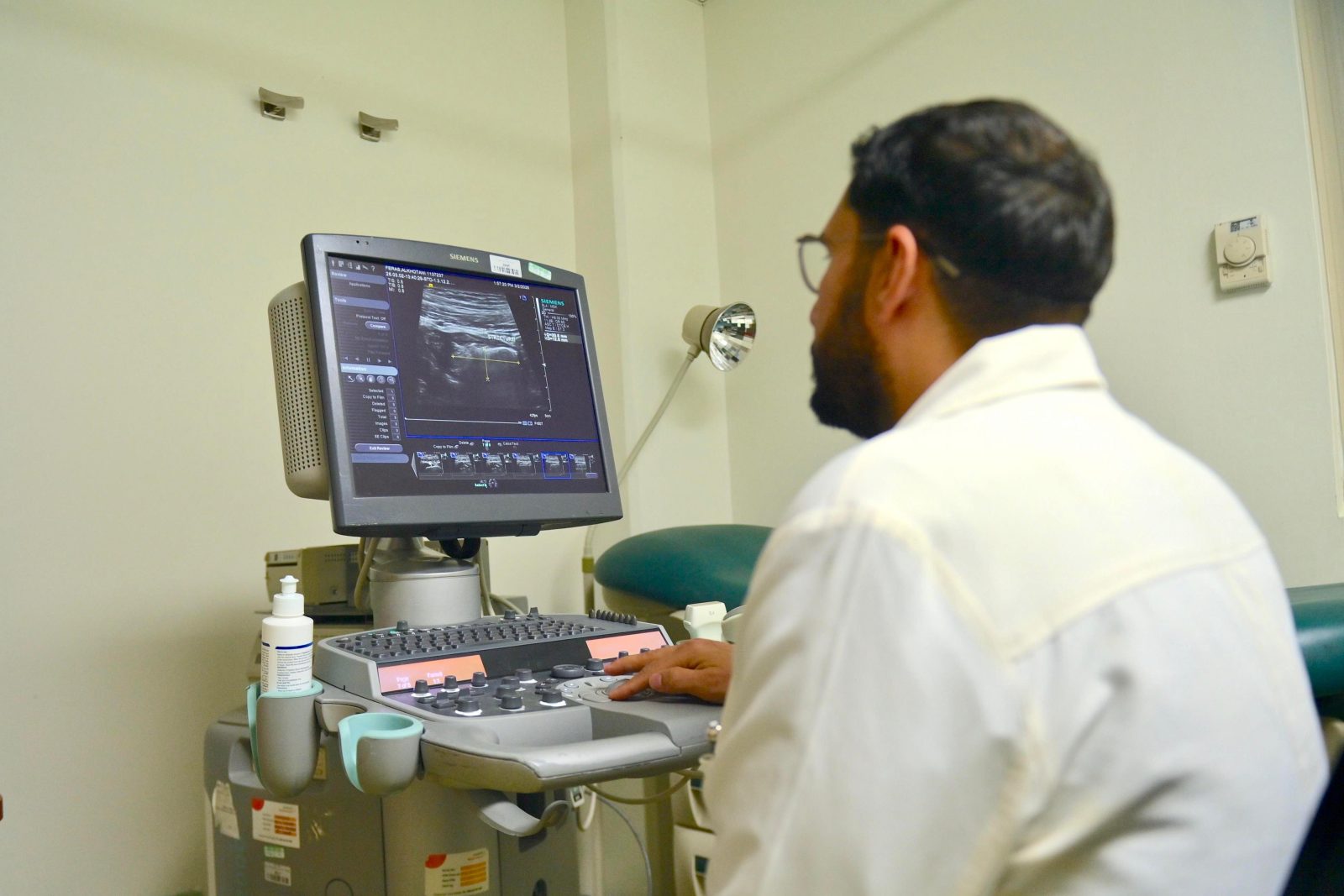
King Abdullah Medical City (KAMC) in Makkah, a member of the Makkah Health Cluster, has launched a specialized Intestinal Ultrasound (IUS) clinic for patients with Inflammatory Bowel Disease (IBD), as part of its strategic direction toward advancing innovative healthcare models that enhance patient experience and improve clinical outcomes.
This advanced service, which commenced operations in November 2025, represents an extension of KAMC's efforts within the Gastroenterology, Hepatology, and Advanced Endoscopy Center, aiming to provide precise, non-invasive, and radiation-free diagnostic tools.
These tools enable real-time assessment of disease activity and monitoring of treatment response efficiently, without the need for prior preparation or sedation—thereby enhancing clinical decision-making during outpatient visits.
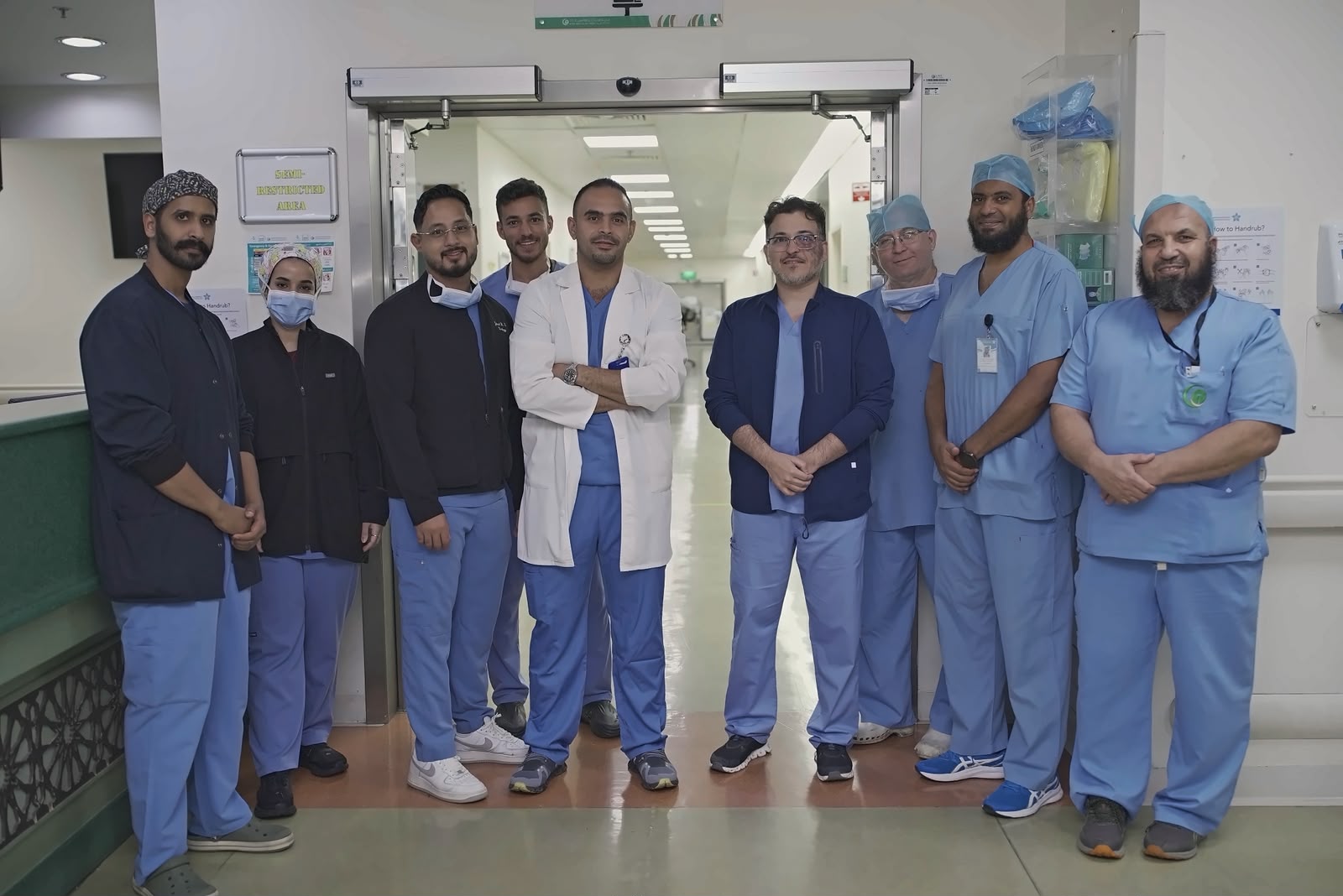
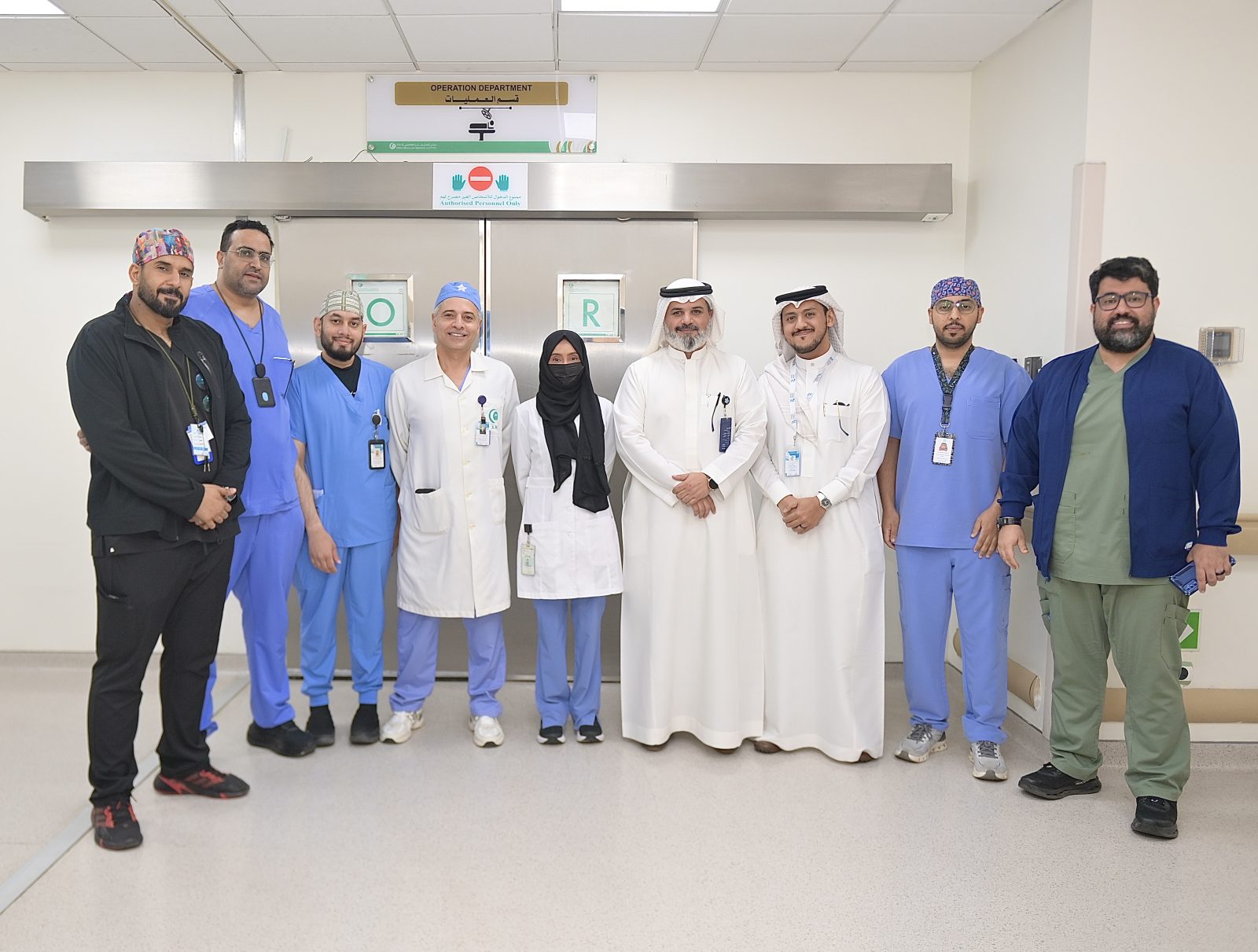
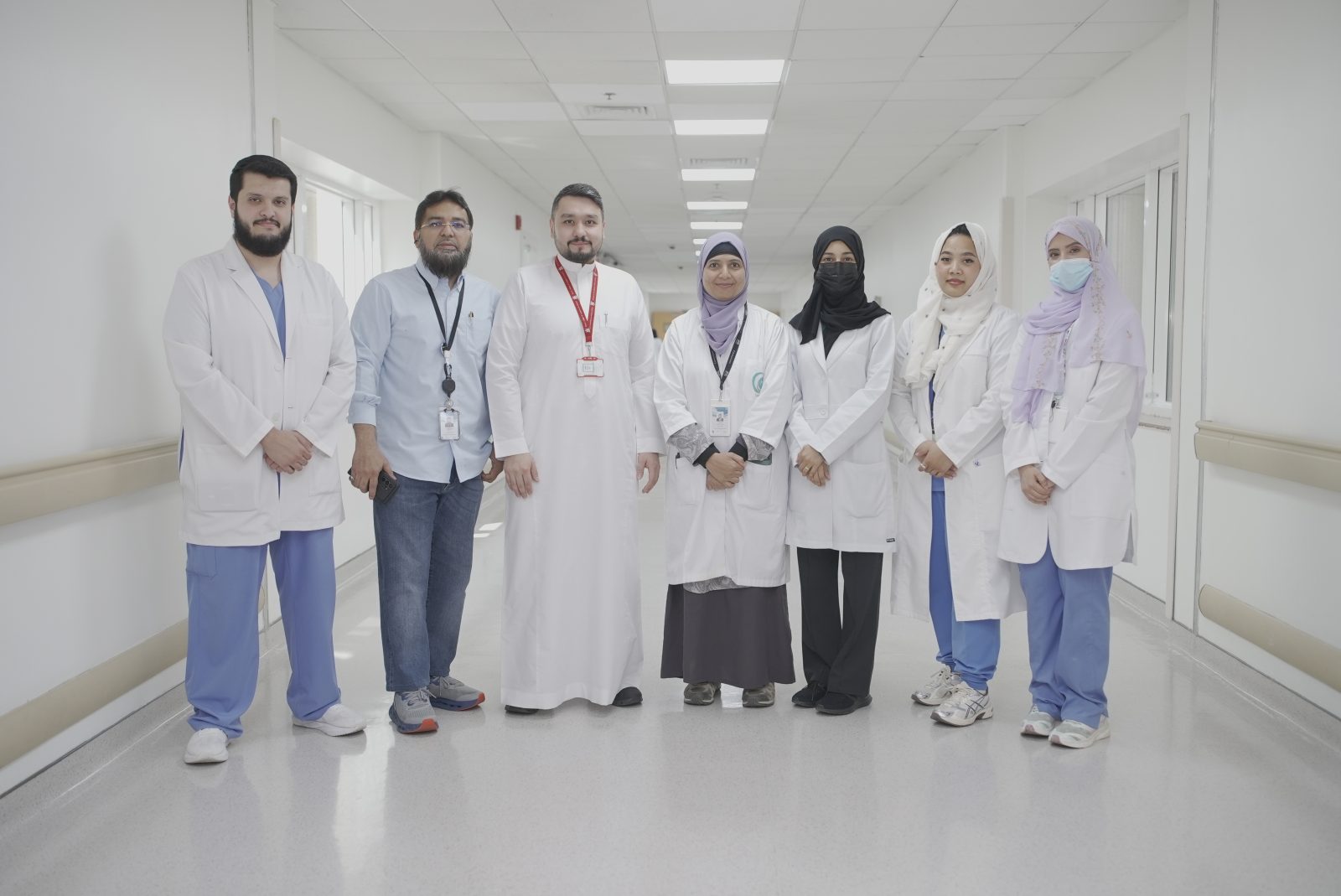
KAMC stated that examinations at the clinic are performed by specialized gastroenterologists with expertise in inflammatory bowel diseases, ensuring direct integration between imaging findings, clinical evaluation, and treatment planning.
This approach significantly streamlines the patient journey and reduces reliance on more complex conventional diagnostic procedures.
Since its launch, the clinic has managed 85 IBD cases, including 50 cases of Crohn's disease and 35 cases of ulcerative colitis, reflecting the growing utilization and impact of this service in improving patients' quality of life and enabling continuous, effective disease monitoring.
The introduction of Intestinal Ultrasound represents a relatively limited yet advanced service within the Western Region, underscoring KAMC's leadership in adopting the latest global practices in the diagnosis and management of gastrointestinal diseases. It further reinforces a comprehensive, patient-centered care model driven by smart solutions and advanced technologies.
KAMC emphasized that the launch of this clinic aligns with its ongoing strategy to enhance clinical excellence, support healthcare transformation pathways, and elevate the efficiency of highly specialized services—ultimately contributing to improved quality of life and the delivery of world-class healthcare in line with Saudi Vision 2030.