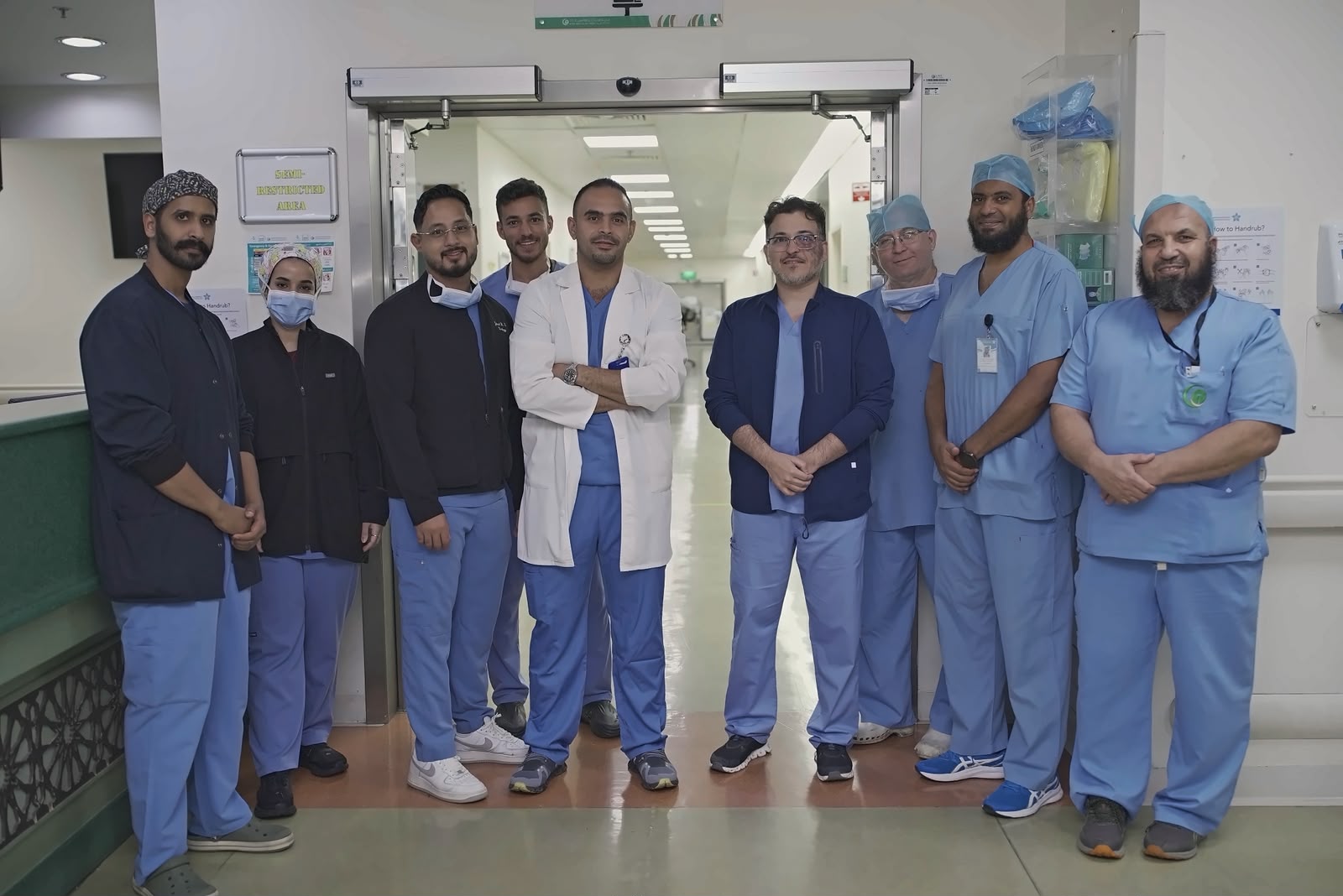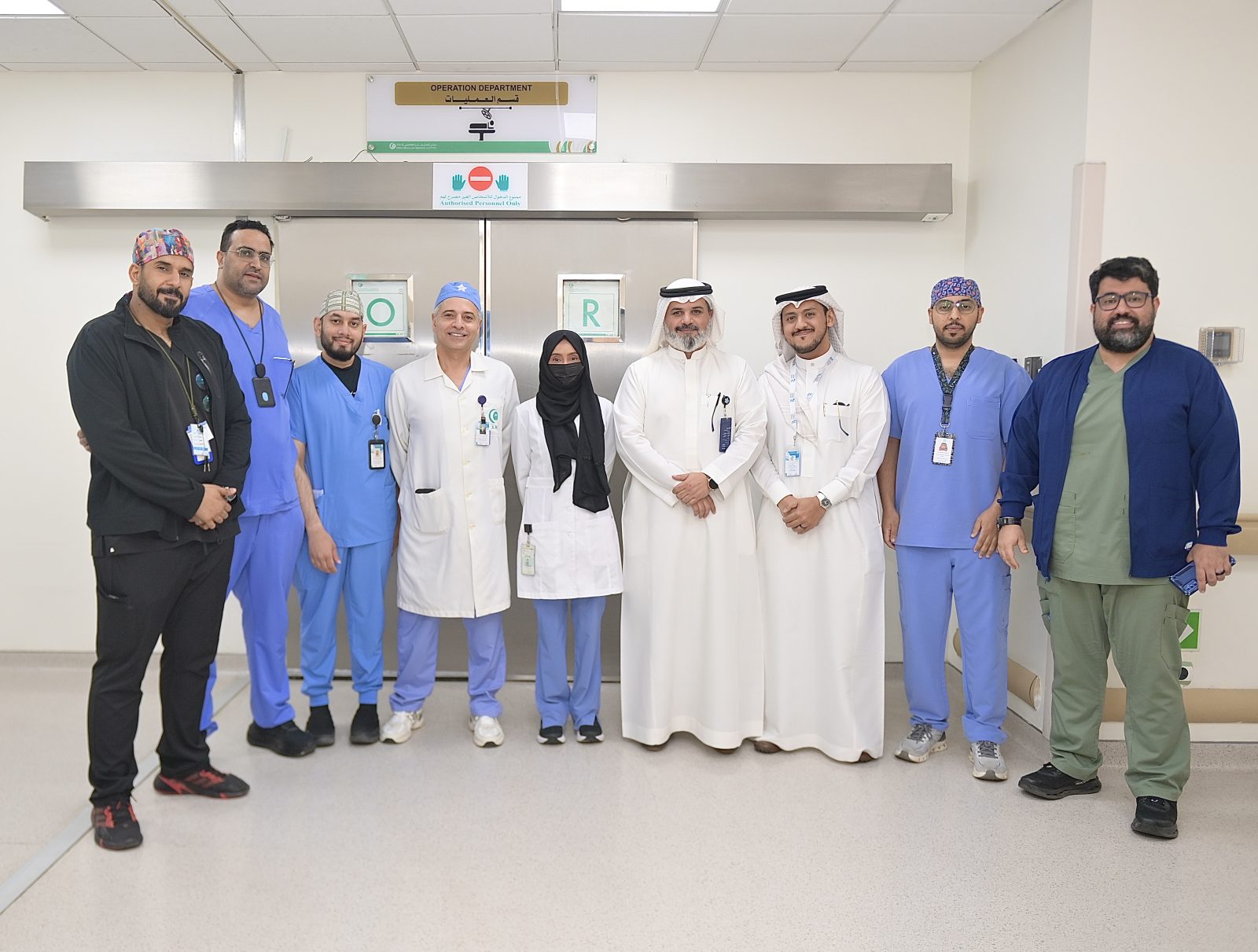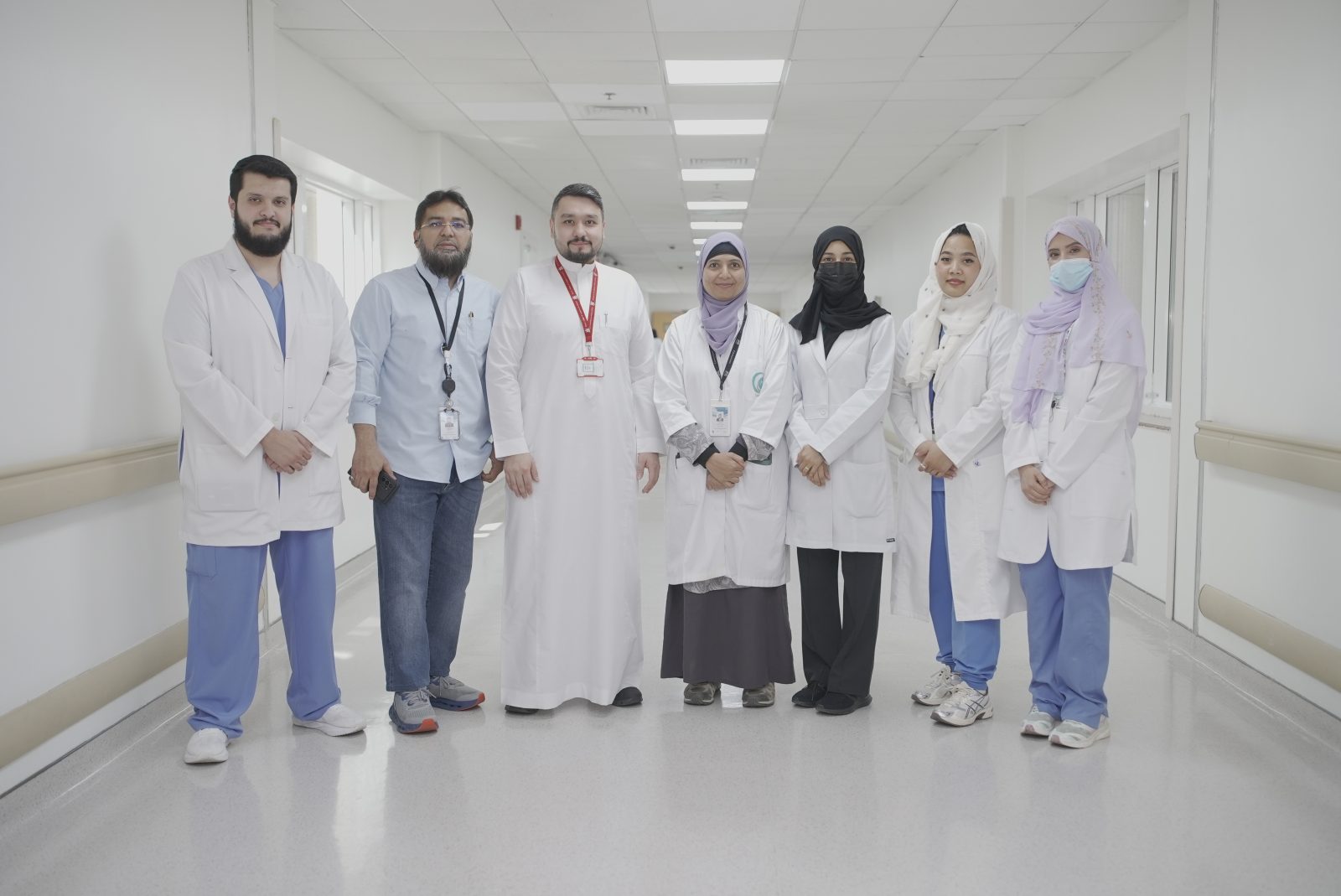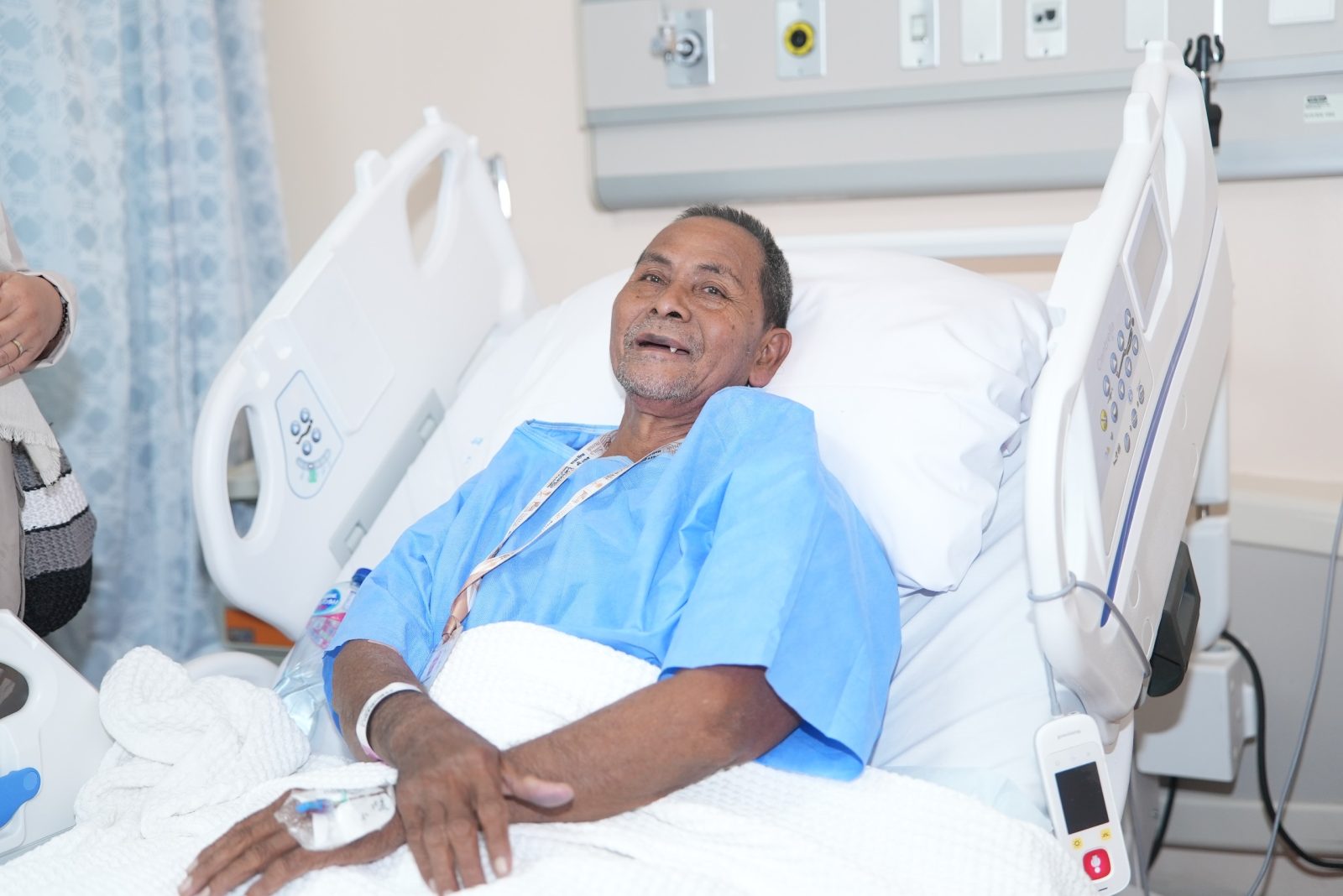
A specialized medical team at King Abdullah Medical City in the Holy Capital, a member of the Makkah Al-Mukarramah Health Cluster, has successfully saved the life of an Indonesian pilgrim who presented in critical condition with acute pulmonary embolism extending to the main pulmonary arteries and peripheral branches, accompanied by signs of acute right heart strain and elevated pulmonary artery pressure.
King Abdullah Medical City stated that the pilgrim was transferred from King Faisal Hospital in Mecca following coordination through the dedicated emergency hotline service for critical and urgent cases, after presenting with acute dyspnea, tachycardia, and relative hypotension. Clinical evaluation and computed tomography (CT) imaging revealed extensive and life-threatening bilateral pulmonary arterial occlusions, necessitating his urgent transfer to the medical city for a high-precision specialized intervention.
The city explained that upon the patient's arrival, specialized teams in critical care, pulmonology, and interventional radiology conducted an immediate and comprehensive assessment, which demonstrated right ventricular strain secondary to the acute pulmonary embolic burden, while left ventricular function was preserved with an ejection fraction exceeding 55%. These findings reinforced the need for a targeted intervention aimed directly at the thrombi to alleviate the hemodynamic burden on the heart and lungs.
Based on precise clinical data, the decision was made to perform catheter-directed thrombolysis (CDT) using direct endovascular intervention within the pulmonary arteries, with the objective of dissolving the thrombi, reducing right-sided cardiac strain, and restoring adequate pulmonary blood flow — an advanced procedure reflecting the institution's proficiency in managing critical cardiopulmonary conditions.
Following the intervention, the pilgrim was placed under intensive monitoring in the intensive care unit (ICU), encompassing close surveillance of respiratory and hemodynamic function, catheter insertion sites, and laboratory parameters, along with continuous monitoring of vital signs and biomarkers.
The medical team maintained full readiness to promptly manage any potential complications associated with thrombolytic therapy, until the patient's condition stabilized, at which point the thrombolytic infusion was discontinued and the catheters were successfully removed.
King Abdullah Medical City affirmed that this success exemplifies the level of integration among the cluster's member hospitals through the emergency hotline service, emergency departments, ICUs, pulmonology, and interventional radiology divisions, as well as the advanced specialized readiness the city possesses in managing critical and complex cases — all within a healthcare system that dedicates its full capabilities to serving the guests of Allah during the Hajj season. <This message was edited>