Makkah – Corporate Communications
As part of the urgent care pathway under the Saudi Model of Care, the Heart Center at King Abdullah Medical City — a member of Makkah Health Cluster — successfully saved the life of a 70-year-old Turkish pilgrim after she suffered a sudden loss of consciousness while in the holy sites during Hajj. Subsequent examinations revealed that she was suffering from severe and advanced aortic valve stenosis, within the framework of the advanced specialized healthcare services provided during the Hajj season.
The medical city explained that the patient had a history of hypertension and hypothyroidism. Advanced cardiac investigations revealed extensive calcification of the aortic valve accompanied by critical stenosis and significantly elevated pressure gradients across the valve. Blood flow velocity exceeded 5 meters per second, in addition to thickening of the heart muscle and impaired circulatory function, which necessitated urgent intervention after the case was reviewed by the multidisciplinary heart team.
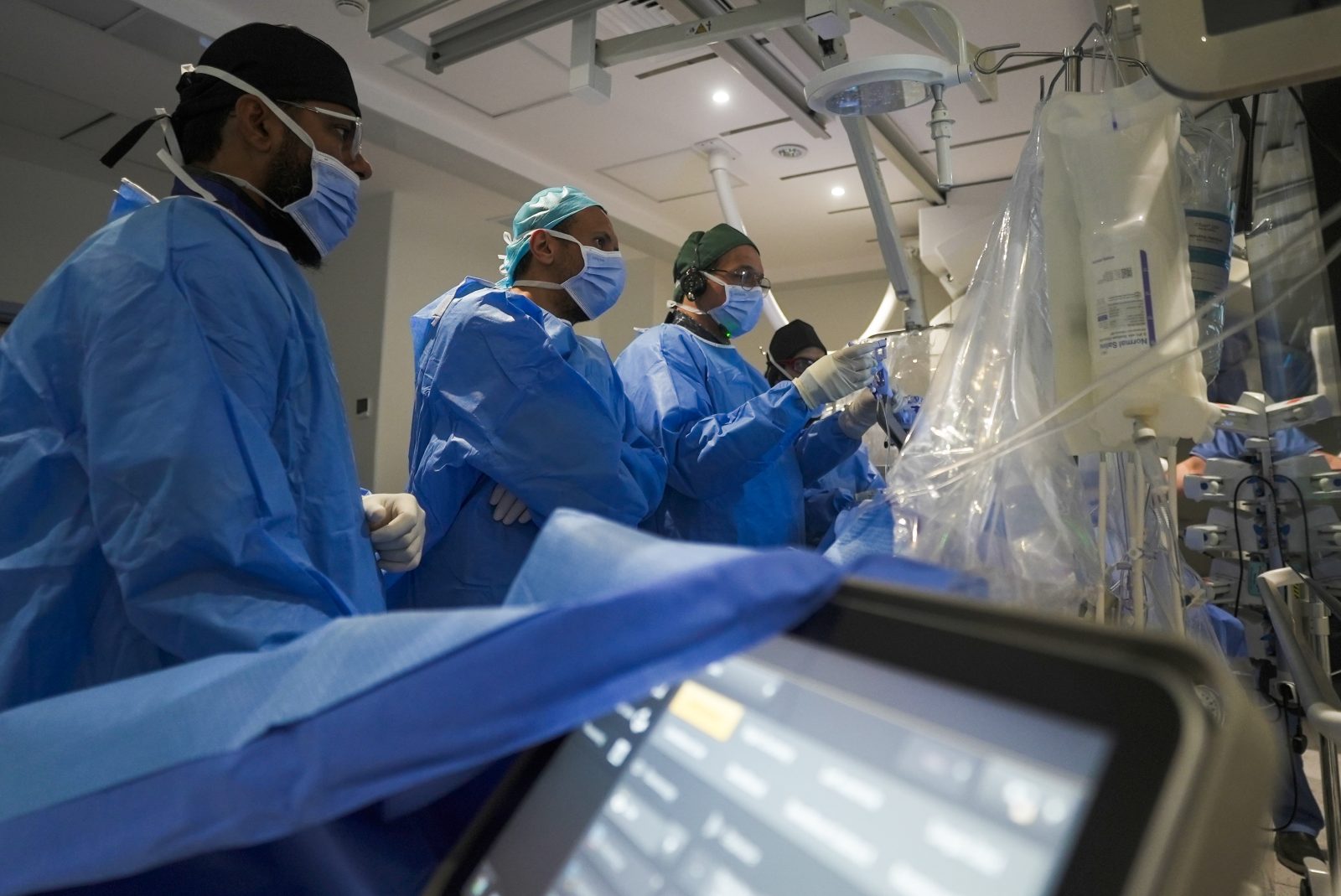
The medical teams completed comprehensive advanced assessments and detailed imaging studies before deciding to perform an urgent Transcatheter Aortic Valve Implantation (TAVI) using a modern valve without the need for open-heart surgery. The procedure was accompanied by diagnostic catheterization and temporary pacemaker insertion to maximize procedural safety and precision.
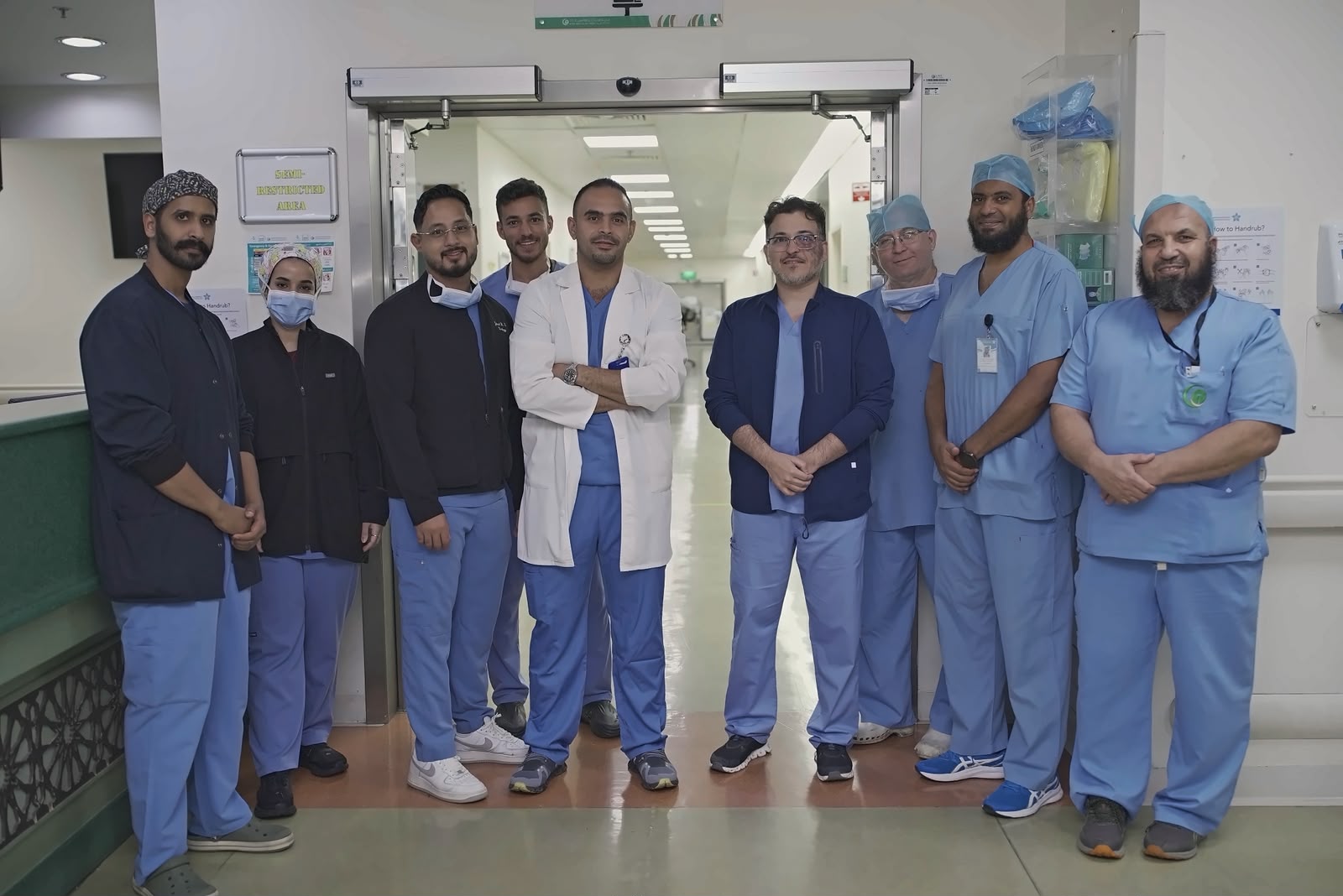
The medical city added that the procedure was successfully performed through the femoral artery under local anesthesia. The medical team precisely implanted the new valve and restored normal blood circulation without any leakage around the valve or procedural complications. Immediate interventional assessments confirmed the valve's stability and optimal functional performance directly after implantation.
The patient showed remarkable clinical improvement following the procedure, regaining full consciousness with stable vital signs and complete resolution of cardiac symptoms. She was transferred to the cardiac intensive care unit for close monitoring, and the temporary pacemaker was later successfully removed without complications.
As part of the smart healthcare approach, the patient will also be provided with a smartwatch under the digital cardiac follow-up program, enabling remote monitoring of vital signs and heart rhythm while directly connecting her health data to specialized medical teams. This supports continuity of care, enhances post-discharge follow-up, and enables her to safely continue her spiritual journey under ongoing medical supervision.
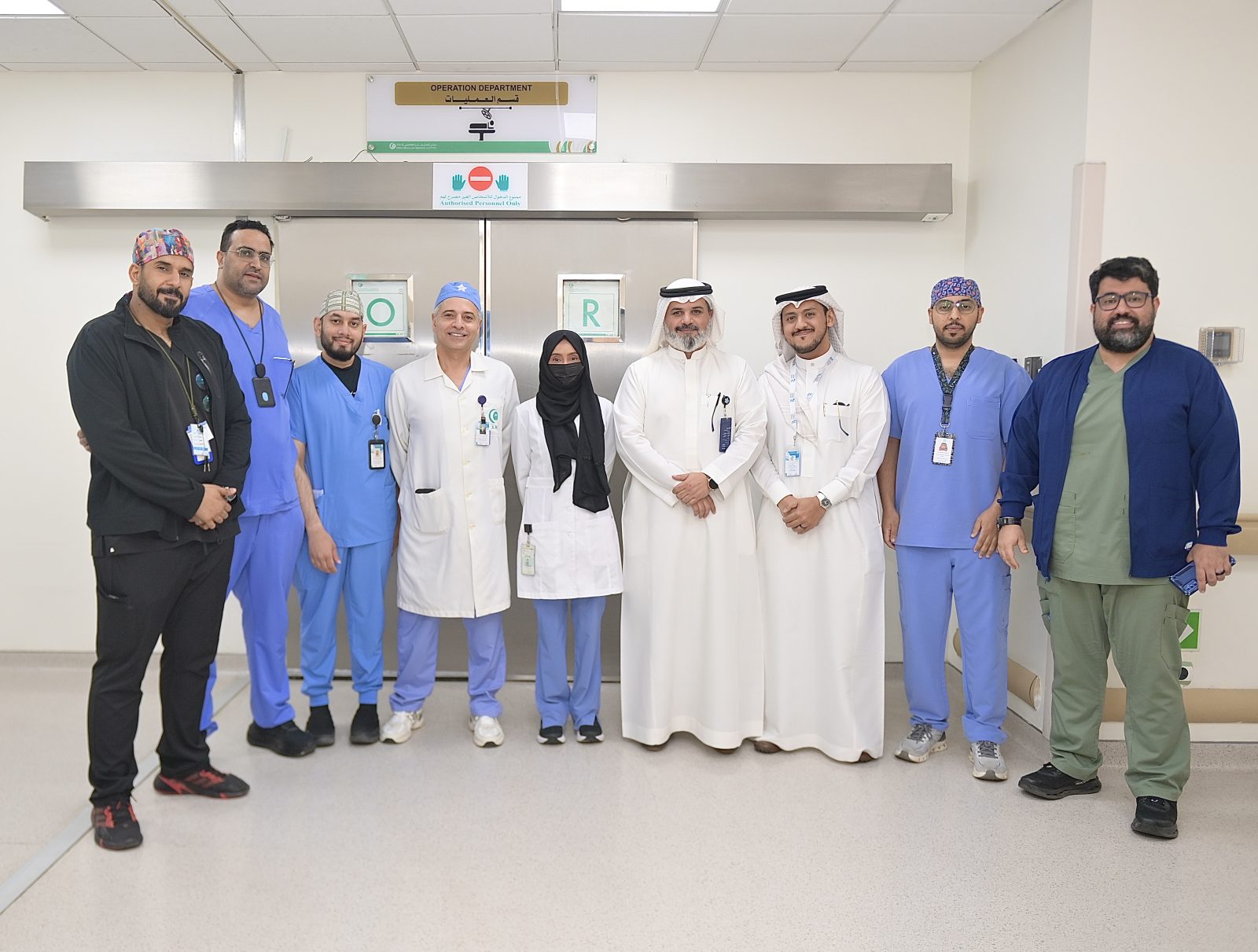
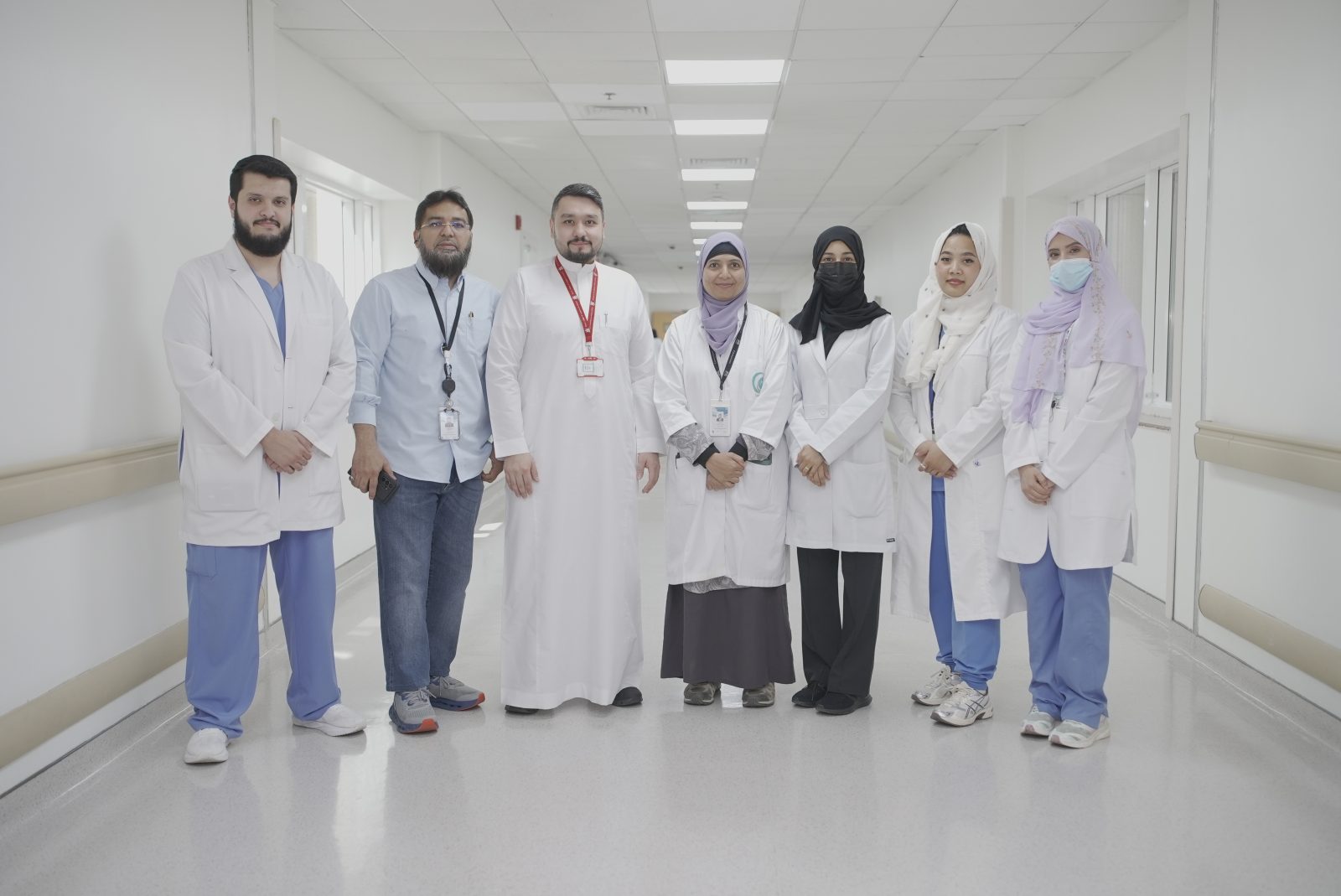
This achievement reflects the high level of readiness and expertise at King Abdullah Medical City in managing critical and complex cardiac cases during the Hajj season through around-the-clock specialized teams and advanced therapeutic technologies that contribute to providing exceptional healthcare services to the Guests of the Most Merciful, further demonstrating the efficiency and leadership of the Saudi healthcare system in handling the most complex and delicate specialized medical cases.