Makkah – Corporate Communications
The Neuroscience Center at King Abdullah Medical City in the Holy Capital — a member of the Makkah Health Cluster — successfully saved the life of an Indonesian pilgrim who suffered a critical neurological deterioration that nearly claimed her life, after being diagnosed with a giant brain tumor measuring more than 8 cm. The tumor caused severe pressure on brain tissues and acute brain herniation. The case was managed through an urgent and highly specialized surgical intervention within the advanced specialized care system provided to the Guests of Allah during the Hajj season, under the Urgent Care Model, one of the Saudi healthcare system models.
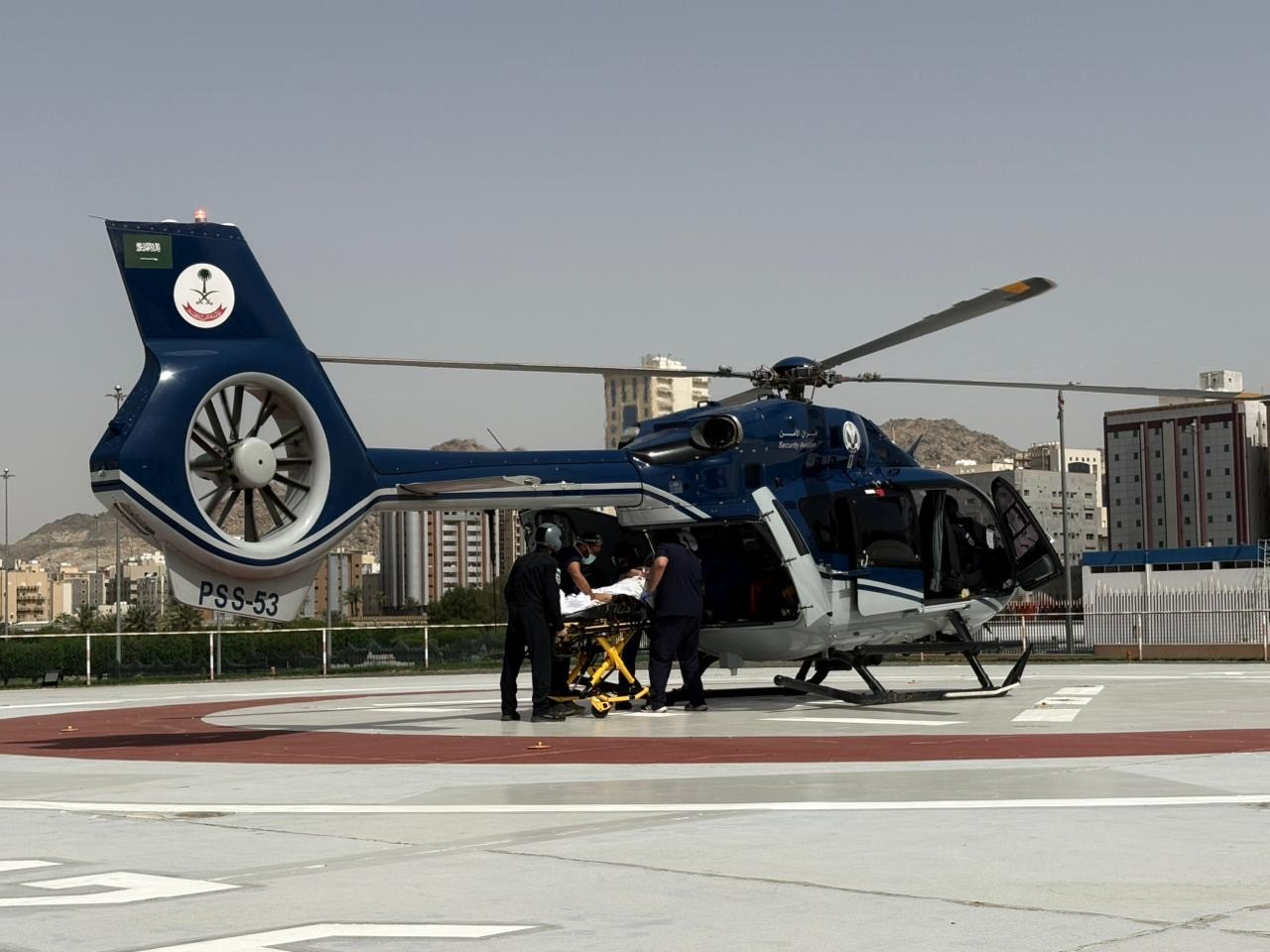
KAMC explained that the patient arrived on the 7th of Dhul-Hijjah after being referred from a peripheral hospital, suffering from a severe decrease in consciousness accompanied by intense dizziness and repeated vomiting, which required ventilator support.
Upon arrival, the urgent neurological intervention pathway was immediately activated, and comprehensive diagnostic tests and MRI imaging were performed without delay before she was transferred directly to the operating room later that same evening. The findings revealed a massive brain tumor located in the left temporal and frontal lobes measuring over 8 cm, accompanied by severe cerebral edema, midline shift, dangerous pressure on the brainstem, as well as signs of acute brain herniation and obstructive hydrocephalus.
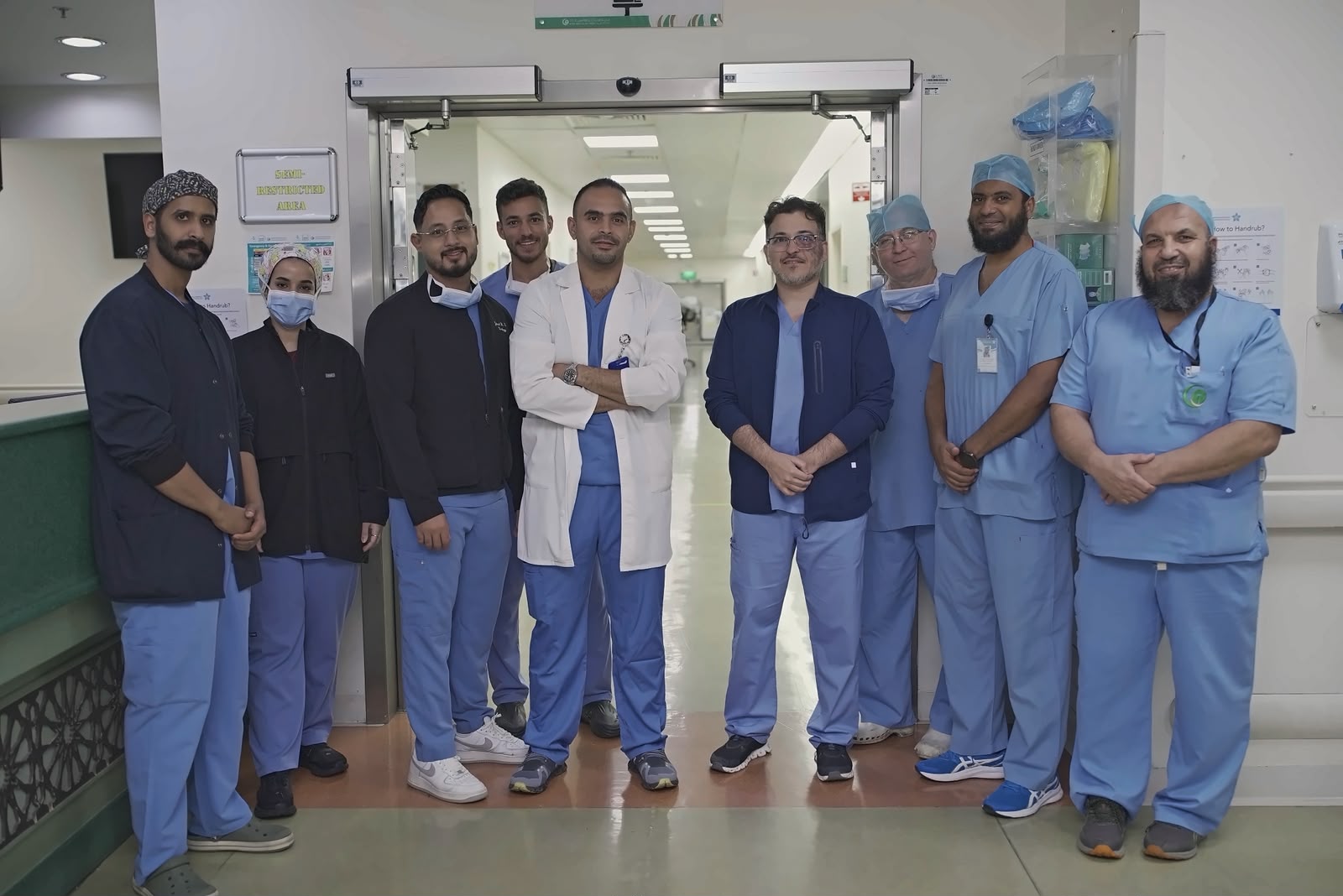
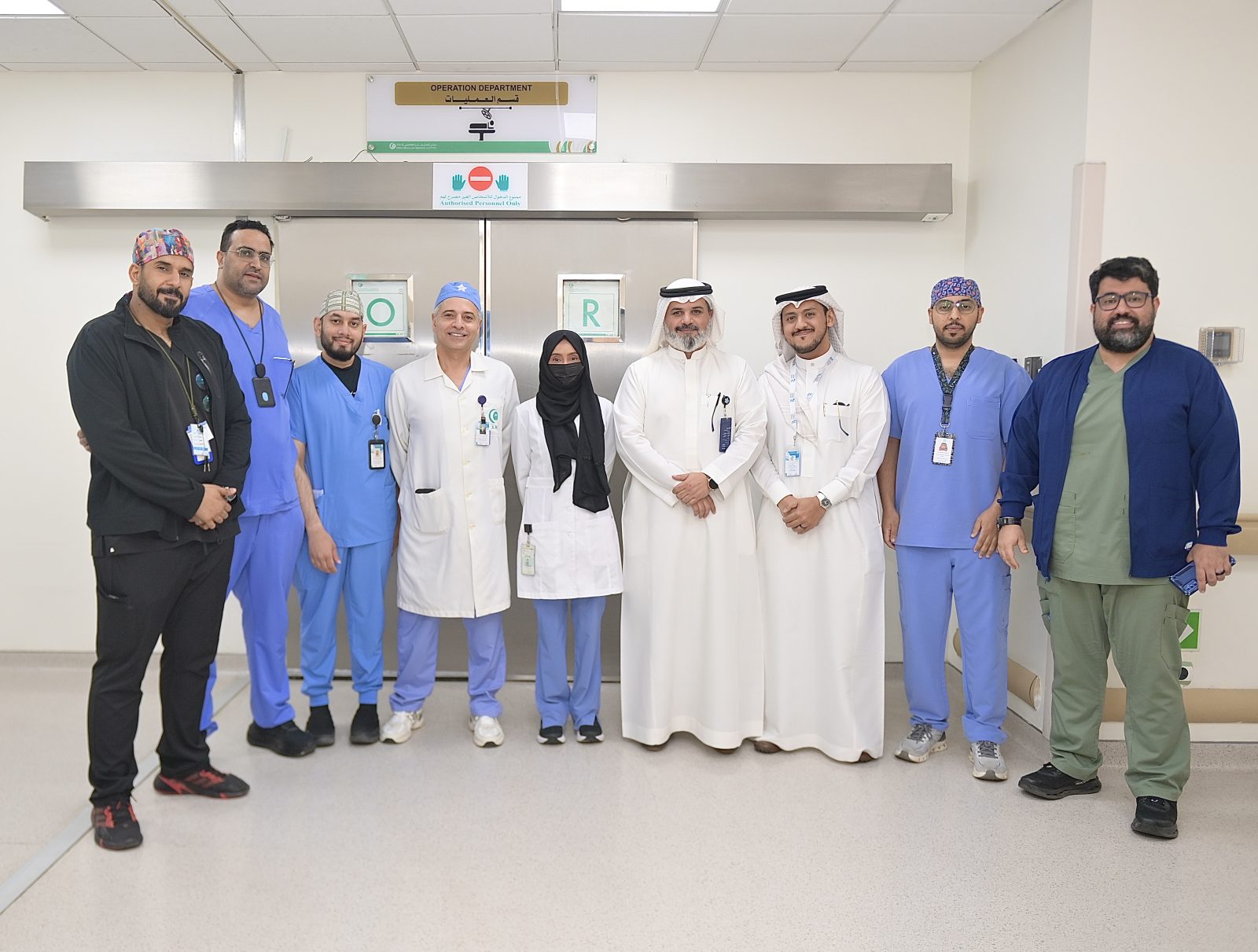
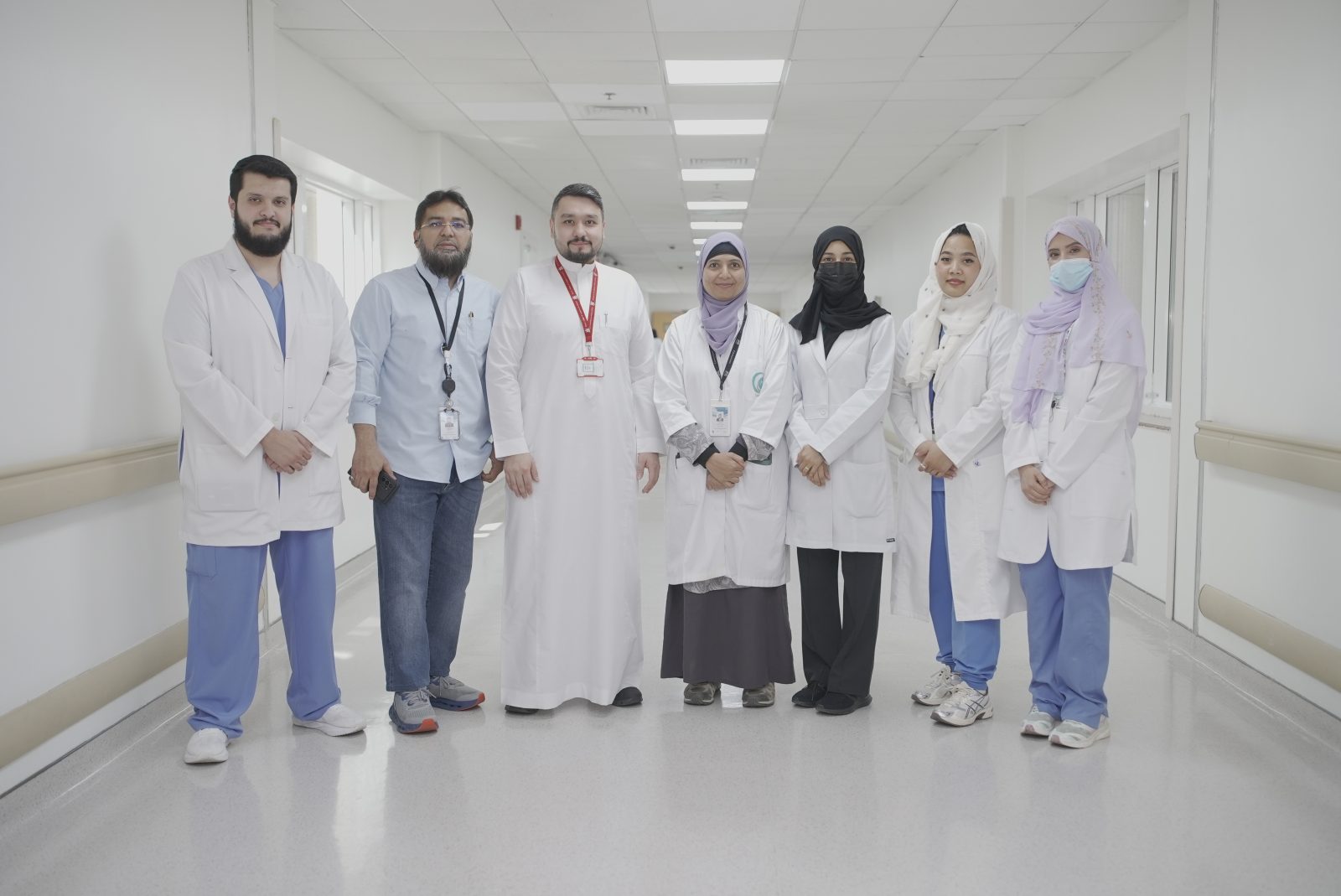
The medical city added that the specialized medical team promptly managed the case and successfully performed a craniotomy with complete tumor resection without complications. The patient showed a remarkable and rapid clinical recovery, as she was successfully weaned off mechanical ventilation on the morning of the 8th of Dhul-Hijjah, regained full consciousness, demonstrated significant improvement in movement of all four limbs, and achieved complete stability of vital signs within less than 24 hours after surgery.
KAMC further noted that the patient was discharged on the morning of the 9th of Dhul-Hijjah and headed to Arafat to continue her Hajj rituals after an intensive treatment journey that lasted less than 40 hours, in a scene that reflects the speed of medical response, the efficiency of multidisciplinary integration, and the capability to manage the most complex and critical neurological cases during the Hajj season.
This success reflects the high level of readiness at King Abdullah Medical City in managing complex and critical neurological cases, as well as the efficiency of rapid care pathways and advanced neurosurgical technologies, enhancing the quality of healthcare services provided to the Guests of Allah in alignment with the objectives of the Health Sector Transformation Program and Saudi Vision 2030.