Makkah – Corporate Communications
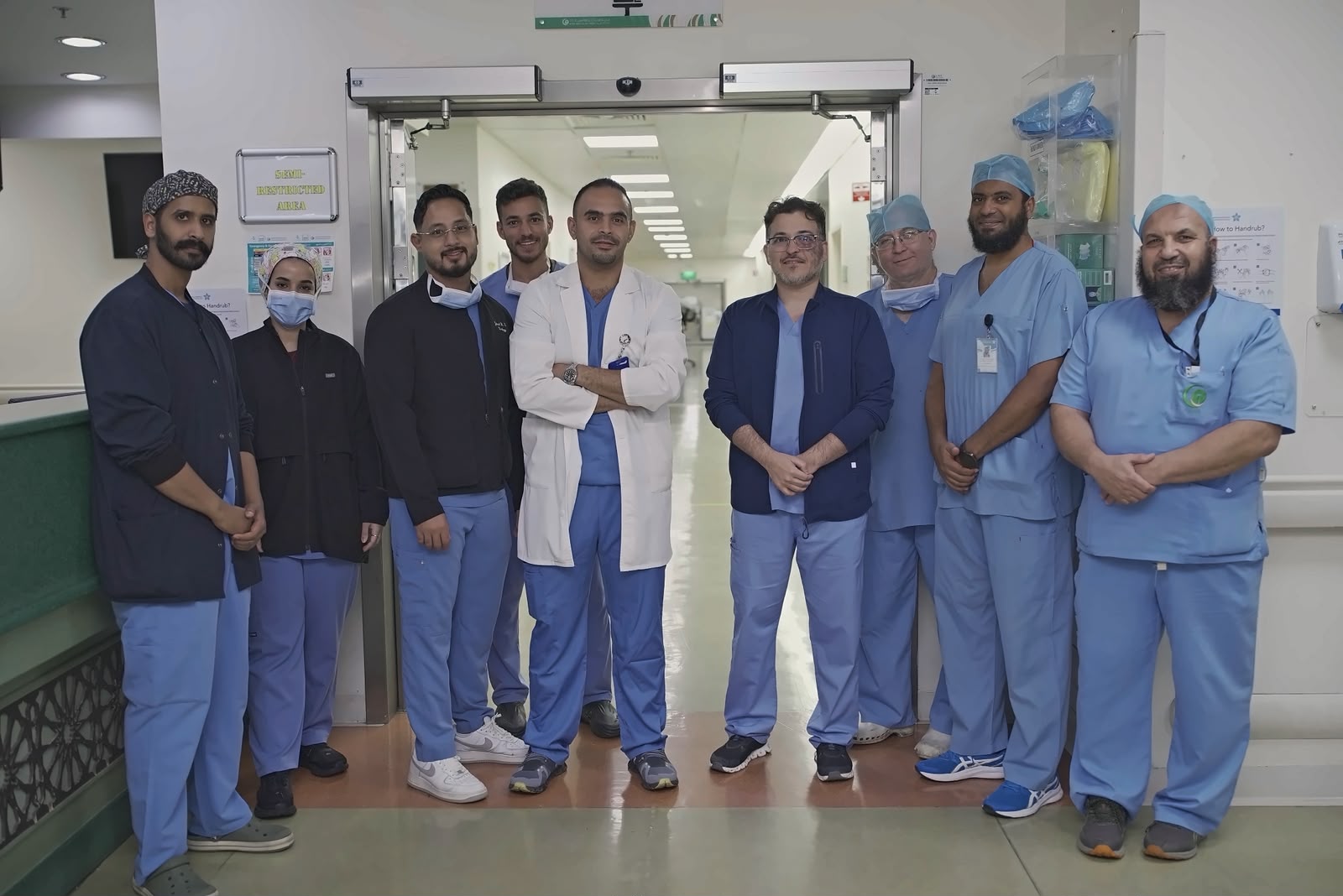
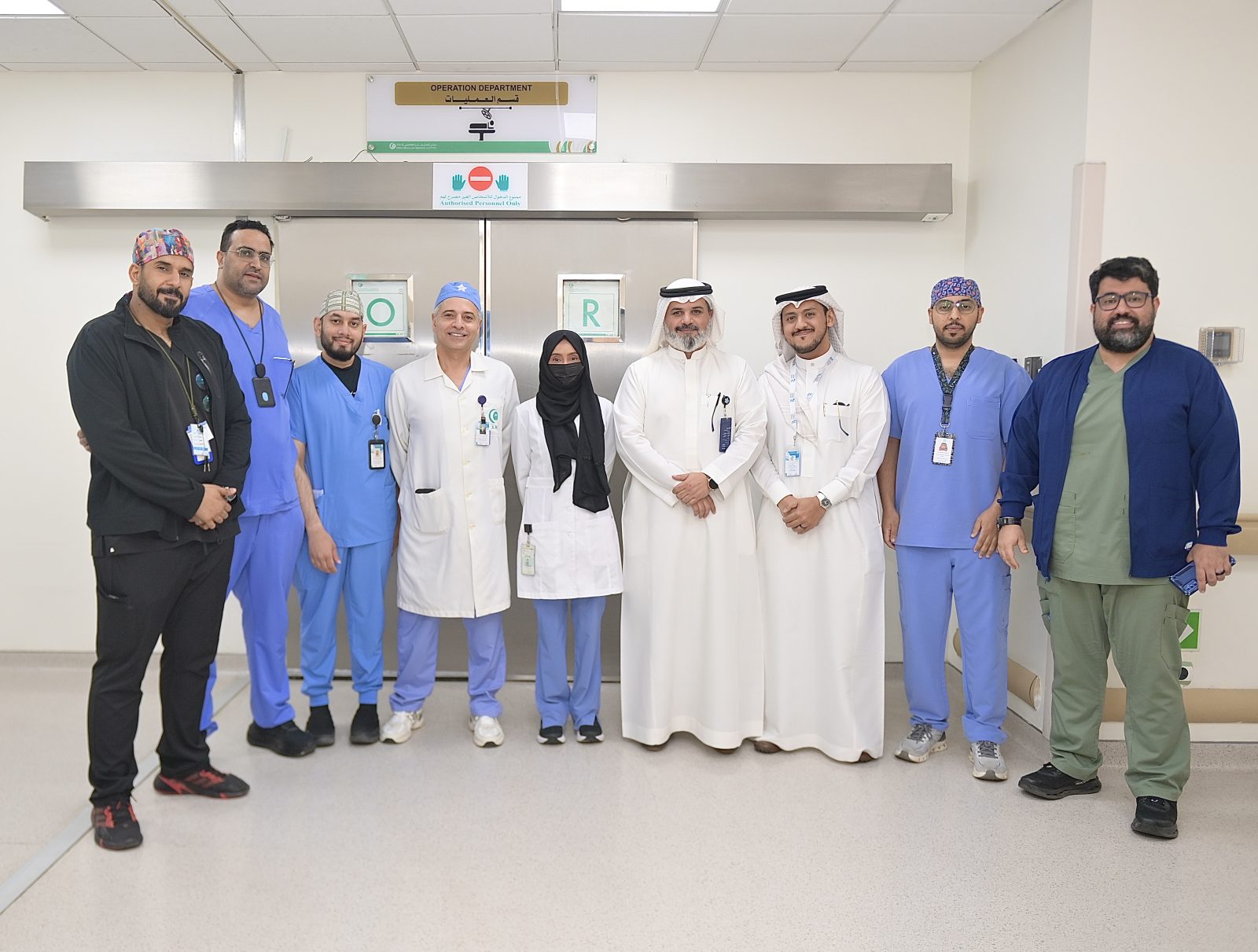
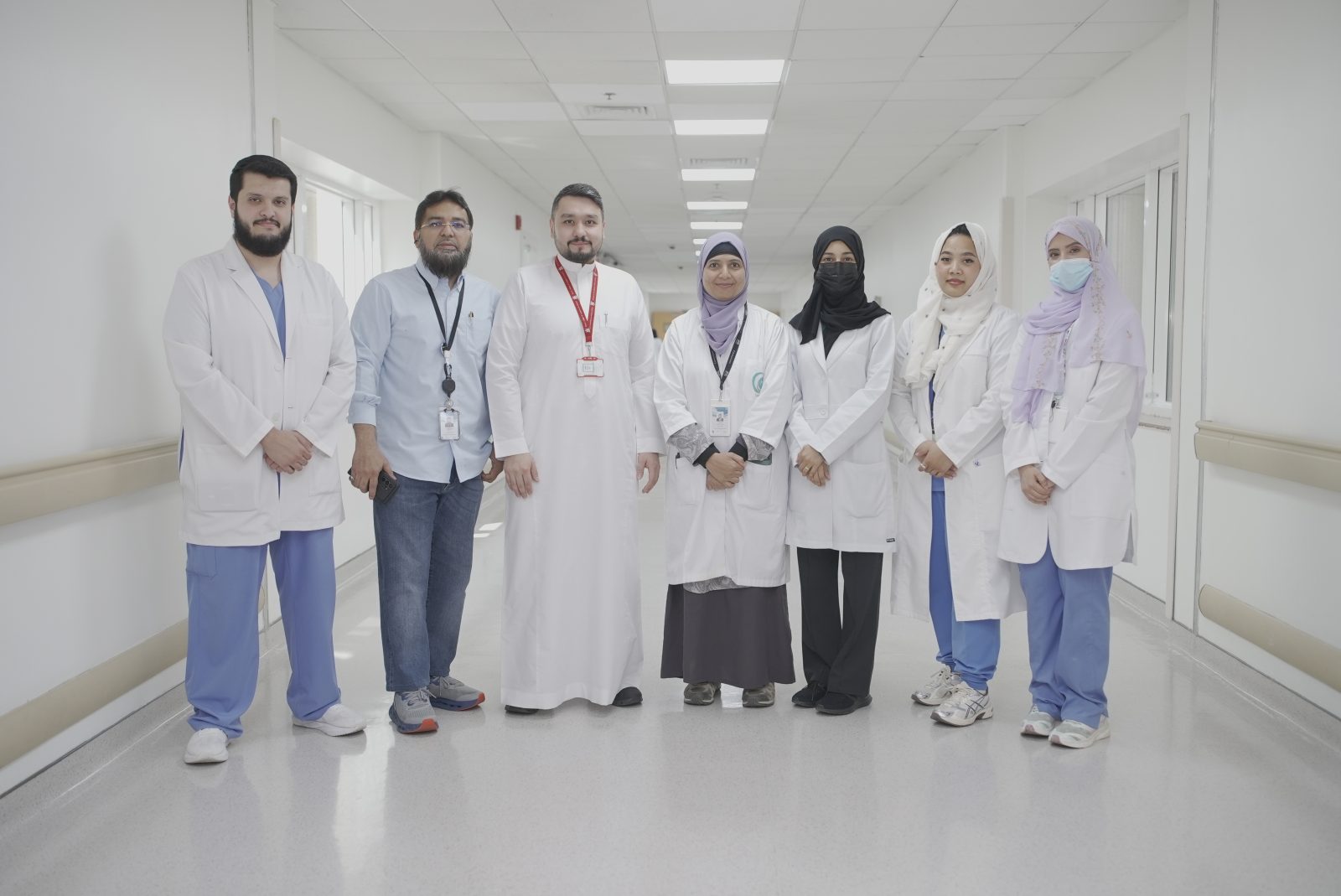
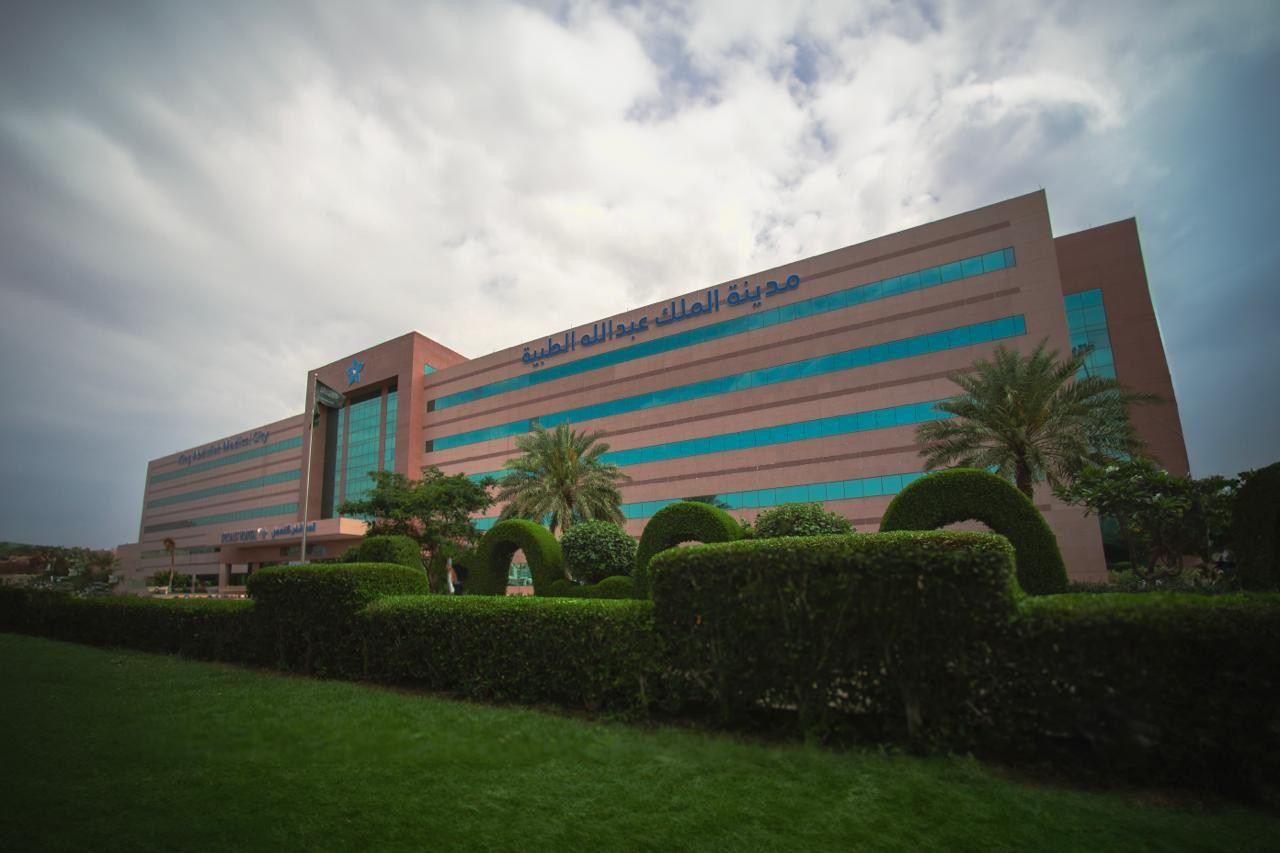
King Abdullah Medical City in the Holy Capital — a member of the Makkah Health Cluster — continued to reinforce its position as one of the leading reference centers in mass gathering medicine research through the implementation of 31 specialized research studies during the Hajj 1447H season, with the participation of more than 70 male and female researchers, including physicians and multidisciplinary healthcare professionals. This reflects the growing scientific momentum and advanced research efforts accompanying the care of the Guests of the Most Merciful.
The medical city explained that the research studies addressed a wide range of medical and healthcare issues related to healthcare delivery during Hajj, covering several specialized fields including cardiology and cardiac catheterization, critical care and emergency medicine, neurology and nephrology, nursing and patient safety, in addition to artificial intelligence, digital transformation, remote health monitoring, infection prevention, and health education, reflecting the integrated multidisciplinary approach to addressing healthcare challenges during the Hajj season.
It added that the research focused on high-impact topics in the field of mass gathering medicine, including the development of artificial intelligence predictive models to forecast cardiac complications during Hajj, studying the impact of stress and overcrowding on acute cardiac and neurological events, and the use of remote health monitoring technologies for cardiac patients. The studies also examined heat stress complications among diabetic patients, pilgrims' health-seeking behaviors and medical care utilization, as well as the readiness of medical missions and the efficiency of emergency departments in serving pilgrims.
The medical city further noted that several studies focused on smart healthcare solutions and medical innovation, including mobile therapeutic intervention units, digital cardiac rehabilitation, and predictive analytics driven by healthcare data. Additional research aimed at enhancing healthcare workforce preparedness through education and medical simulation, in line with its direction toward adopting advanced technologies and improving healthcare management efficiency in high-density population environments.
King Abdullah Medical City affirmed that this integrated research ecosystem reflects its national and global role in supporting the objectives of Saudi Vision 2030 and the Health Sector Transformation Program by transforming the Hajj season into a global platform for advanced medical research, leveraging the mass gathering environment to generate knowledge and innovation, and converting healthcare challenges associated with large human gatherings into opportunities for developing future healthcare solutions that strengthen Saudi Arabia's global leadership and enrich the pilgrim experience.