From Smart Monitoring to Advanced Intervention
*KAMC Saves Patient's Heart with Left Ventricular Assist Device Implantation*
Makkah – Corporate Communications
A cardiac surgery team at King Abdullah Medical City (KAMC), a member of Makkah Health Cluster, successfully implanted a Left Ventricular Assist Device (LVAD) in a woman in her forties who had been suffering from severe heart failure for several years. The intervention followed remote health monitoring that detected early signs of deterioration in her cardiac condition.
The patient had previously undergone implantation of an advanced device designed to monitor pulmonary artery pressure, enabling continuous remote monitoring of her condition and tracking changes in pressure levels. Follow-up data revealed elevated pulmonary artery pressures, indicating worsening cardiac function and prompting further medical intervention.
Following a comprehensive clinical assessment, the medical team decided to proceed with LVAD implantation to support heart function and improve blood-pumping efficiency. The procedure was performed using a minimally invasive surgical technique, helping promote faster recovery and reduce the impact of the surgical intervention.
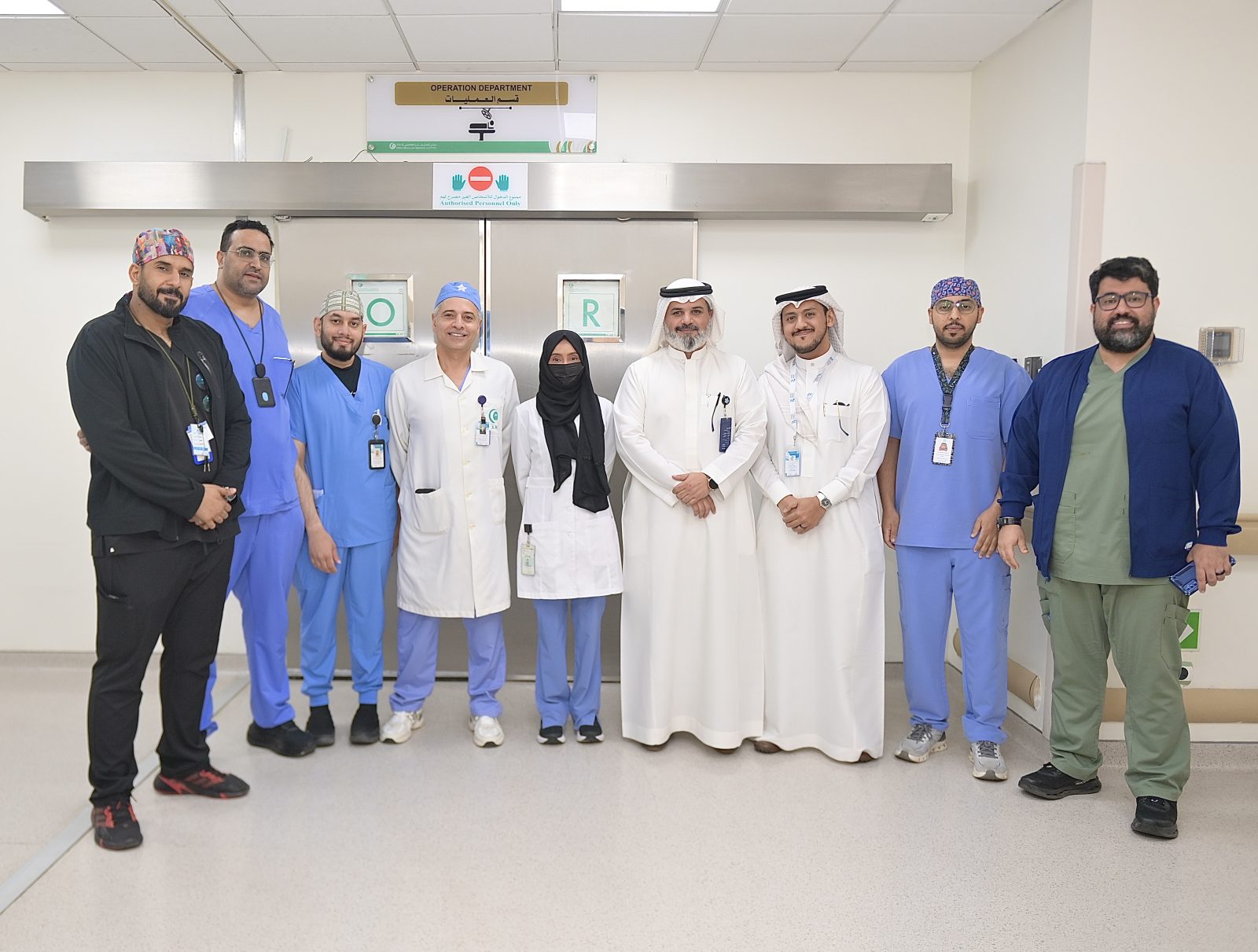
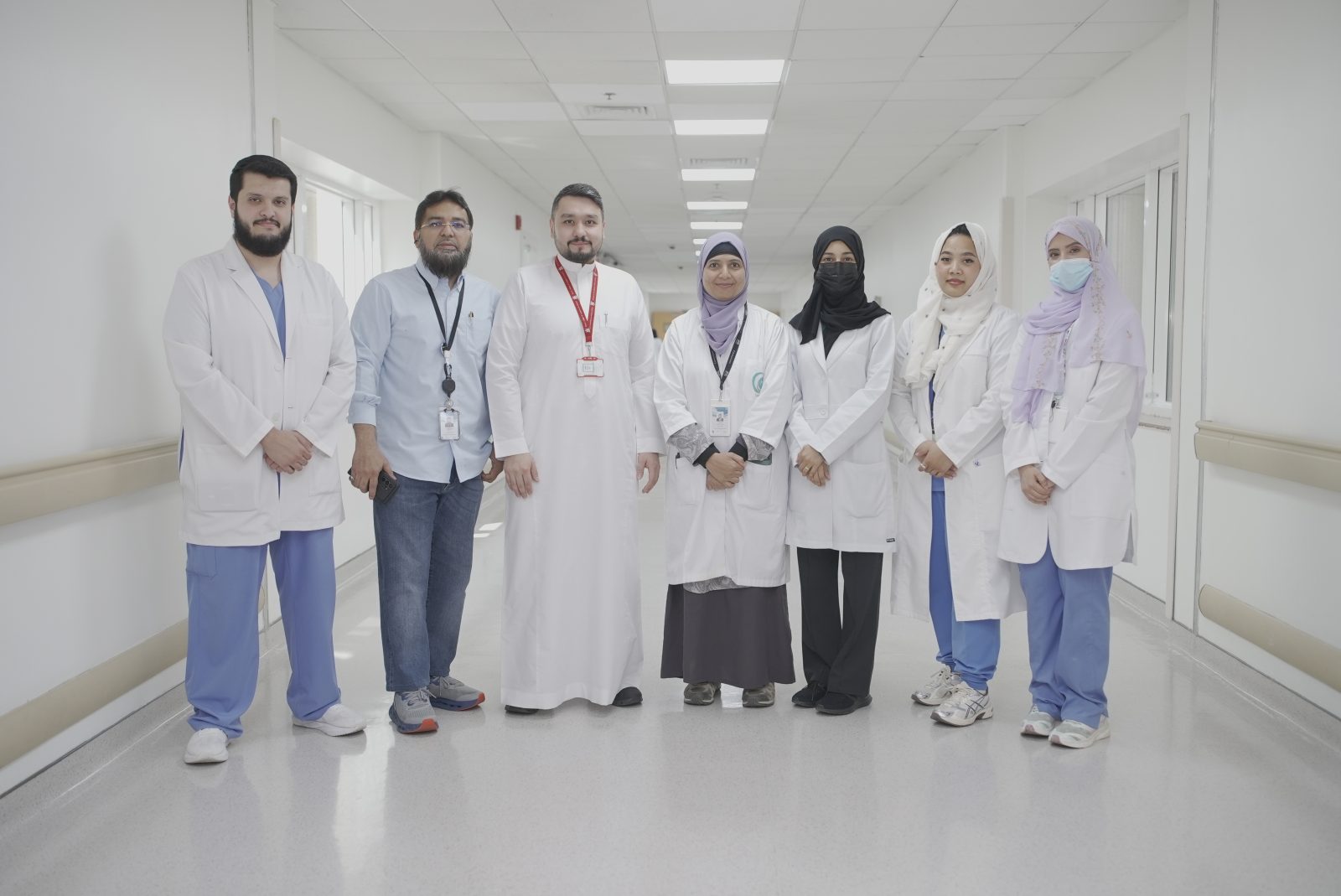
The procedure was carried out through multidisciplinary collaboration between the cardiac surgery team, led by *Dr. Adel Tash* and *Dr. Mohammed Mini*, along with the operating room, perfusion, and heart failure teams, as part of an integrated care model designed to provide advanced treatment for complex cases.
This case demonstrates the integration of remote health-monitoring technologies and advanced cardiac interventions, with continuous health data supporting timely clinical decision-making and enhancing the care team's ability to monitor changes in the patient's condition and intervene according to her clinical needs.
This achievement reflects the continued advancement of cardiac surgery and heart failure services at King Abdullah Medical City, as well as the adoption of modern technologies in diagnosis, monitoring, and treatment to enhance the quality of patient care and support the objectives of Saudi Arabia's healthcare transformation and Vision 2030.