A First at King Abdullah Medical City
Makkah – Corporate Communications
King Abdullah Medical City (KAMC), a member of the Makkah Health Cluster, has achieved a significant medical milestone by successfully performing its first robot-assisted deep brain stimulation (DBS) surgery on a patient with Parkinson’s disease. The patient experienced muscle rigidity, motor fluctuations, and involuntary movements. This achievement marks an important step forward in the use of advanced surgical technologies to treat movement disorders.
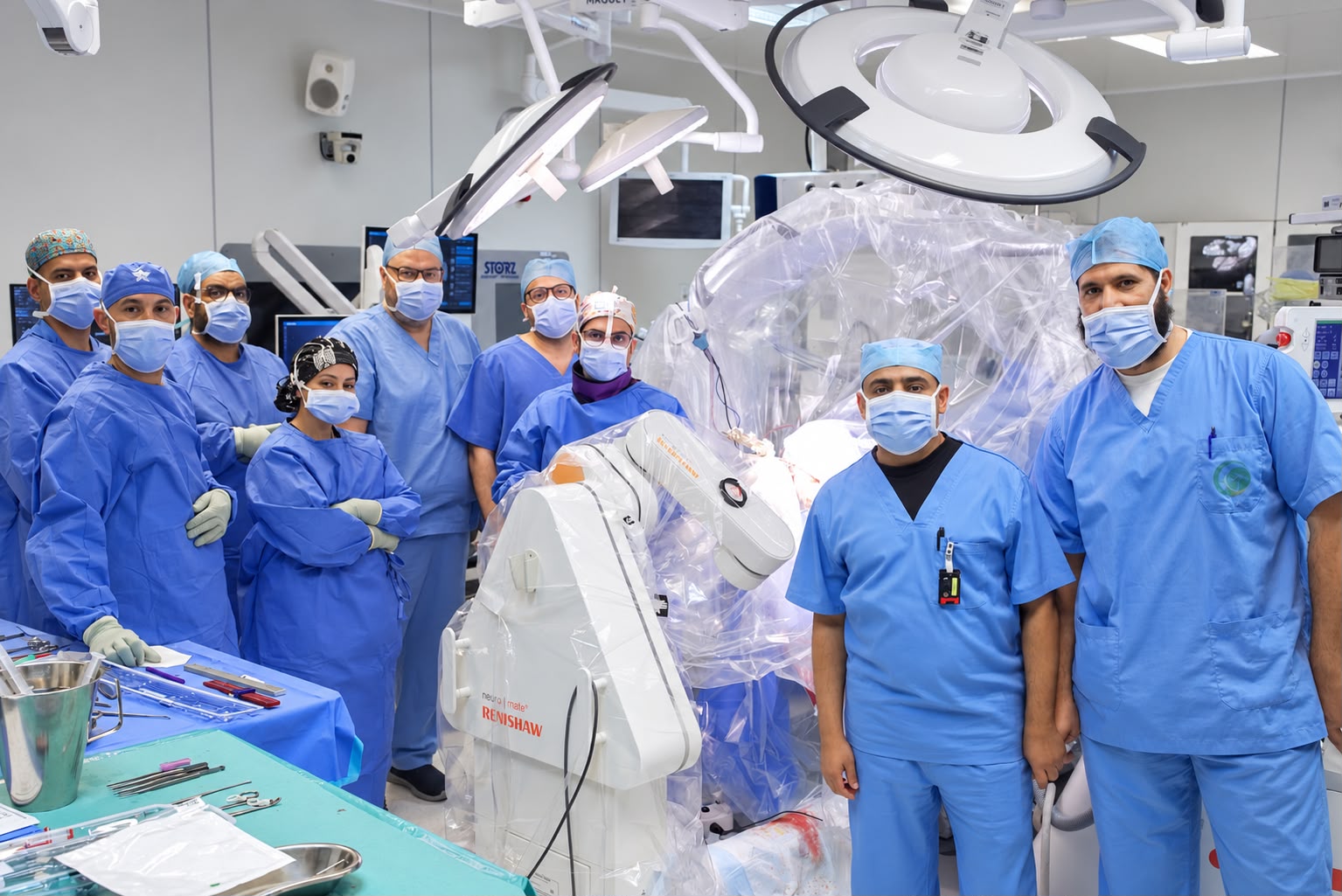
The procedure targeted the subthalamic nucleus (STN), a deep brain structure involved in regulating movement. The medical team utilized a surgical robotic system to assist in guiding the electrodes to the targeted area, using precise surgical trajectory planning and coordinates. This approach supports accurate electrode placement and enhances the application of deep brain stimulation technology.
Deep brain stimulation involves implanting electrodes in specific areas of the brain, connected to a neurostimulator that delivers programmed electrical impulses to help regulate neural circuits associated with movement. It is considered an advanced treatment option for selected patients with Parkinson’s disease whose motor symptoms are not adequately controlled by medication, following a comprehensive specialist assessment.
The integration of robotic technology represents a significant advancement in these procedures. The robotic system provides a stable and precise platform for guiding surgical instruments along preplanned trajectories, supported by brain imaging and surgical planning systems. This approach helps account for sensitive neural structures and blood vessels surrounding the target area, under the supervision of the neurosurgeon and specialized medical team.
Applications of robotic technology in neurosurgery extend beyond deep brain stimulation. They also include assisting with electrode placement for stereoelectroencephalography (SEEG) to identify the origins of epileptic seizures, guiding laser fibers in selected laser interstitial thermal therapy (LITT) procedures, and supporting certain neuroendoscopic interventions.
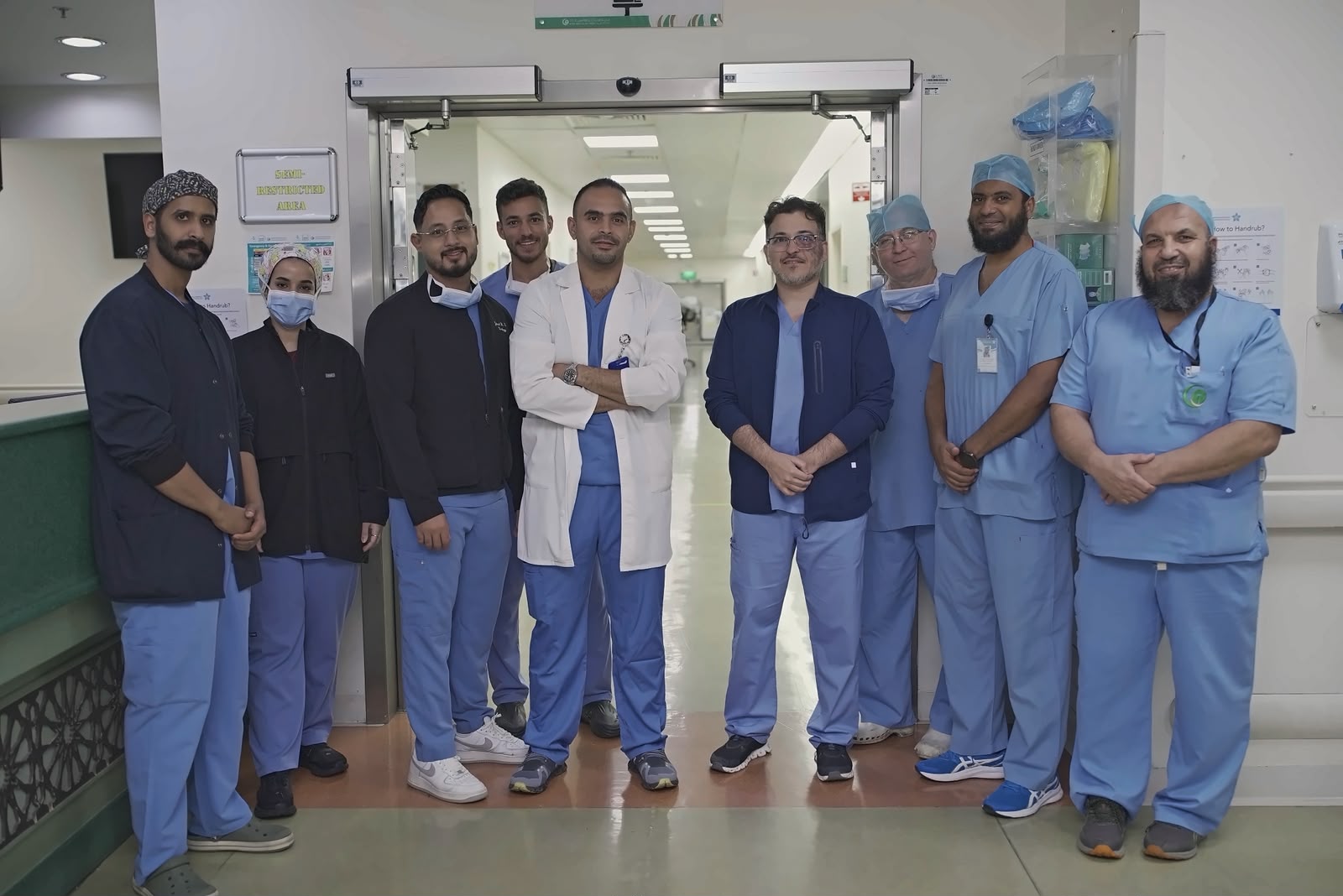
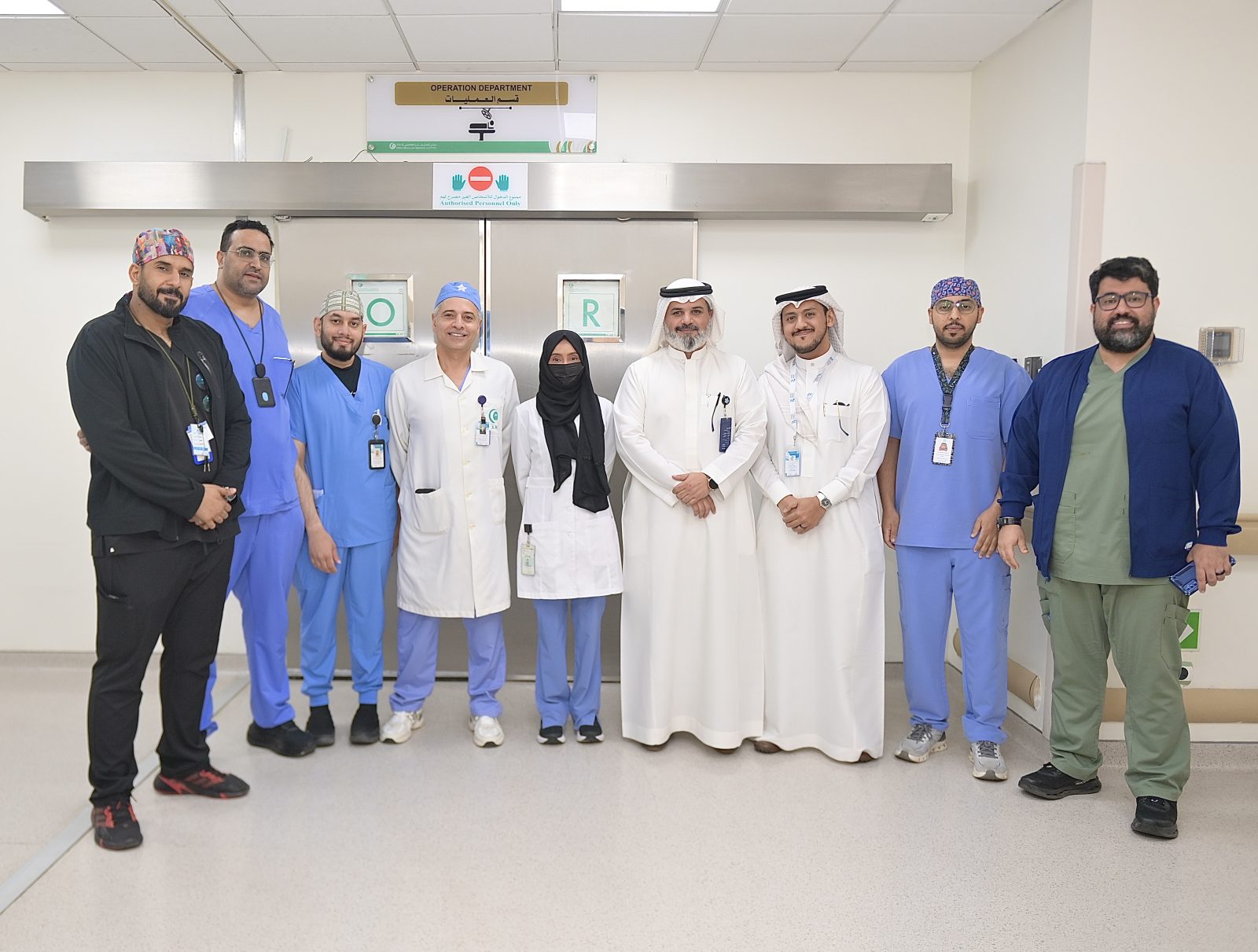
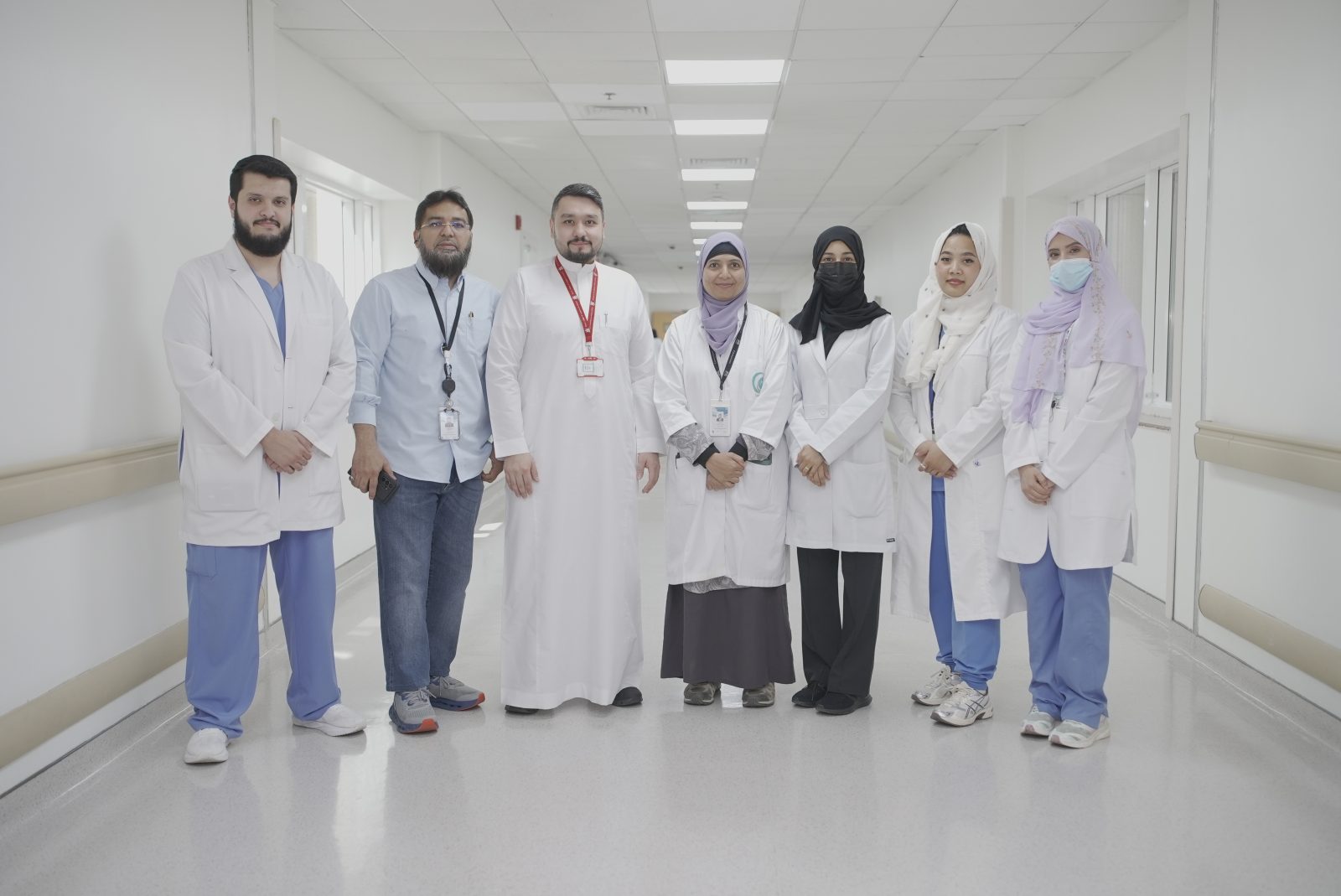
This achievement was made possible through the collaboration of a multidisciplinary team comprising neurosurgeons, neurologists specializing in movement disorders, neuroanesthesiologists, radiologists, as well as nursing, technical, and biomedical engineering professionals. The procedure was conducted as part of a comprehensive care pathway, beginning with thorough patient evaluation and selection, followed by surgical planning and execution, and continuing with neurostimulator programming and monitoring of the patient’s therapeutic response.
This milestone reflects the continued advancement of the Neuroscience Center at King Abdullah Medical City and its growing adoption of modern technologies in functional neurosurgery. It also reinforces the Medical City’s commitment to expanding specialized treatment options and improving the quality of care.